Cryopreservation freezes and stores eggs, sperm or embryos so they can be used to attempt a pregnancy later. Material is cooled rapidly by vitrification, which stops ice crystals forming and damaging the cells, then held in liquid nitrogen. It is used to preserve fertility before medical treatment that may affect it, to delay parenthood, or to store surplus embryos from a treatment cycle.
Egg and embryo freezing need ovarian stimulation and a retrieval procedure first, so the process takes a few weeks, while sperm freezing does not. Frozen material is most often thawed for in vitro fertilization, and the chance of success depends far more on age at the time of freezing than on age at use. Storage carries an annual fee and clinics differ on how long material may be kept, so both are worth asking about at the outset. A consultation with a fertility specialist is the way to understand your own likelihood of success, and Beautifi can help you compare providers and financing.


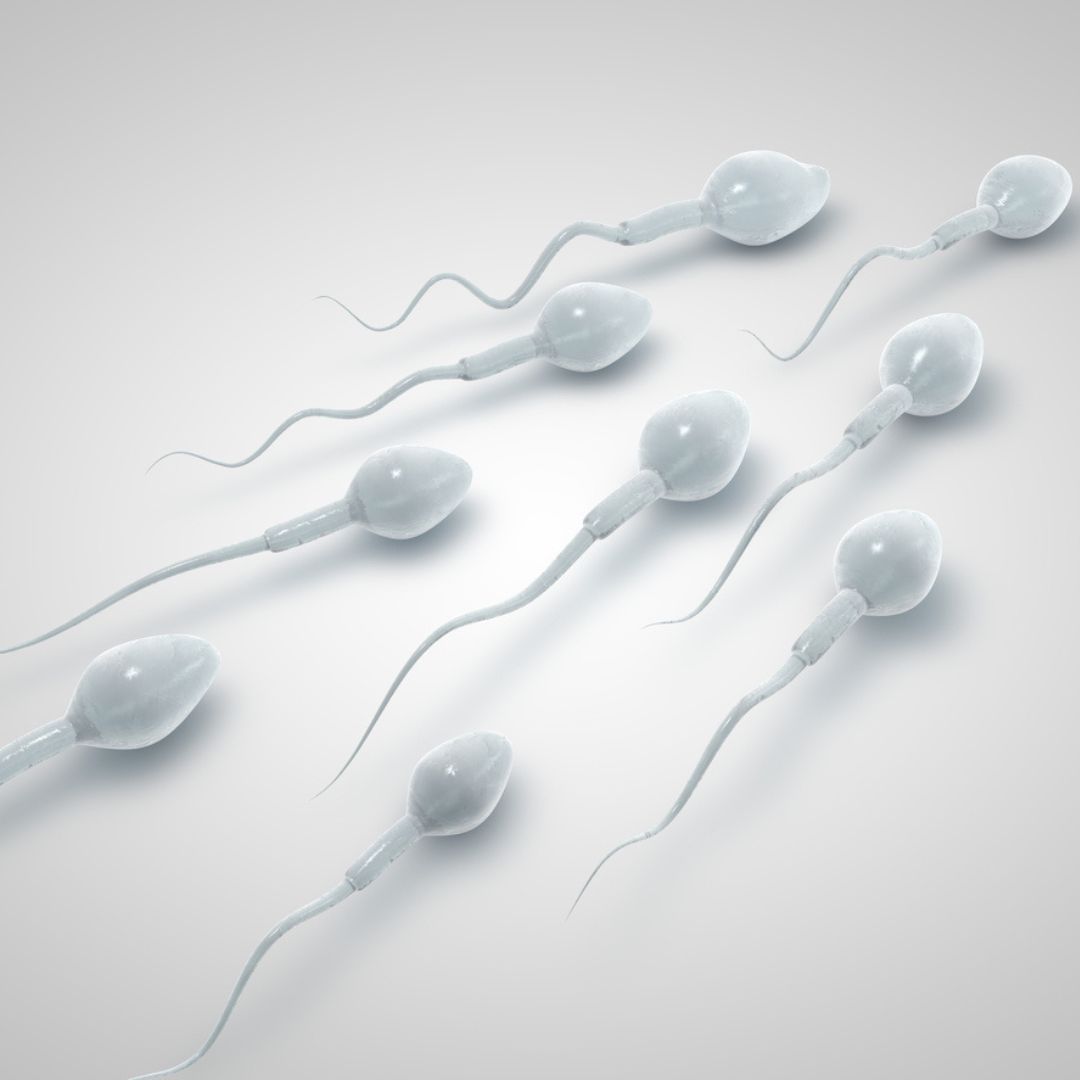


There is no biological expiry once material is properly vitrified and held in liquid nitrogen at around minus 196 degrees Celsius. At that temperature all biological activity stops, so eggs, sperm and embryos do not deteriorate with time in storage, and pregnancies have been reported from material stored for well over two decades.
The limits are practical and regulatory rather than biological. Clinics set their own storage terms and charge an annual fee, consent has to be kept current, and rules on long-term storage differ by province and by clinic. Ask what happens to your material if fees lapse, if you move, or if your circumstances change, because those answers vary more than the science does.
Freezing itself is not the main variable. Vitrification survival rates are high, and a thawed embryo transfer has broadly comparable success to a fresh one. What matters far more is how old you were when the material was frozen, because egg quality declines with age and the frozen material keeps the quality it had on the day it was stored.
That is the reason freezing earlier is generally advised where there is a choice. It also means no clinic can promise a baby: the numbers quoted are per-cycle probabilities that depend on age at freezing, how many eggs or embryos were stored, and the reason for treatment. Ask for figures specific to your age group rather than clinic-wide averages.
Cryopreservation enables individuals to freeze and store their eggs, sperm, and/or embryos, effectively stopping their biological clock. This is ideal for people who are not ready for parenthood, are transitioning to male, or have been diagnosed with cancer and want to keep their pregnancy options available in the future. Cryopreservation protects and preserves eggs, sperm, and/or embryos for as long as necessary.
Cryopreservation is a relatively safe, advanced procedure that frequently results in a successful future pregnancy. Cryopreservation is the process of preserving fertility by freezing eggs, sperm, and/or embryos at subzero temperatures for later use. The biological age of the eggs, sperm, and/or embryos remains the same after they are frozen and stored.
Egg Cryopreservation – Also known as oocyte preservation or egg freezing, is the process of harvesting, freezing, and storing eggs for future use. Hormones are prescribed to patients to stimulate the ovaries, causing multiple follicles to grow. Eggs that are ready to be fertilized will be retrieved, frozen, and stored.
Embryo Cryopreservation – Embryo cryopreservation freezes a fertilized egg through the process of in vitro fertilization (IVF). During IVF, patients are given hormones to stimulate their ovaries to produce a large number of eggs. Once the eggs have developed, they are gently removed and fertilized with sperm, resulting in the formation of an embryo. The embryo is then frozen and stored for future use.
Sperm Cryopreservation – Men and adolescent boys who have reached puberty can freeze sperm prior to medical treatments, certain types of surgery, chemotherapy/radiation therapy, or other conditions that can harm sperm. Under optimal conditions, healthy sperm can be frozen, thawed, and utilized at a later time.
Ovarian Cryopreservation – Ovarian tissue cryopreservation involves removing the egg-producing portion of the ovary (the ovarian cortex) prior to a patient’s medical treatment, such as cancer surgery, chemotherapy/radiation, or gender affirmation surgery. The tissue is frozen and stored, then transplanted in the future to make pregnancy possible.
Individuals considering cryopreservation should consult with their primary care provider, gynecologist, or fertility specialist for an evaluation and counselling on the risks, benefits, and options best suited to their needs.
Where freezing is being considered before cancer treatment or another therapy that may affect fertility, female fertility preservation covers the wider planning around timing and urgency.
There are multiple factors to consider with cryopreservation. A person’s fertility is influenced by a variety of factors, from lifestyle and nutrition to genetics and hormones. Cryopreservation can help individuals or couples get pregnant later in life if they are facing current obstacles such as, but not limited to:
Advancing age
Gender transition
Infertility issues
Time needed to find the right partner
Endometriosis
Social/ personal reasons such as educational or professional demands
Undergoing treatment that may damage fertility such as chemotherapy
Chronic or genetic conditions
Following an initial consultation with the preferred physician, gynecologist, or fertility specialist, appropriate pre-treatment tests will determine the best way to proceed. Depending on the individual’s goals, IVF cycles may be required prior to the retrieval and storage of the eggs, sperm, and/or embryos. Patients are frequently able to return home the same day as the procedure, with only minor pain and discomfort. It is critical to follow the instructions given by your preferred healthcare provider.
The cost of cryopreservation varies depending on factors such as geographic location, the physician’s clinical experience/technique, the length of time in storage, and additional medical factors such as tests, medications, and IVF cycles (if applicable). In Canada, the cost of cryopreservation alone ranges from $10,000 to $14,000.
The risks of cryopreservation are minimal, but as with any medical procedure, there are risks and complications including, but not limited to:
Damage to the eggs/ embryos/ sperm during the freezing process
The eggs/ embryos/ sperms not viable for freezing
Failure to get pregnant after implantation of eggs/ embryos/ sperm
Increased rates of medical issues in pregnancy, i.e., preeclampsia & placenta accrete spectrum
Miscarriage
Multiple births