Female fertility preservation saves and protects your embryos, eggs, and reproductive tissues, allowing you to have a child in the future. More and more women are deferring childbearing until later in life than previous generations. Around the age of 35, fertility begins to decline; using fertility preservation at a young age may improve chances for future child-bearing opportunities and allows for freedom and flexibility when it comes to parenthood.


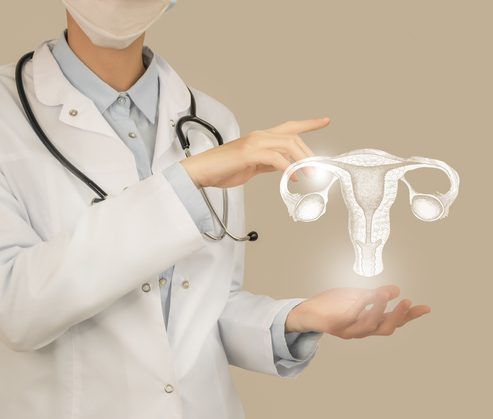


Female fertility preservation procedures help to preserve a woman’s future ability to bear children. Women may wish to preserve their fertility if they are at risk of certain cancers, conditions, and diseases, as well as for personal reasons. Egg freezing, embryo freezing, and certain types of surgery for cervical and ovarian cancer are all common female fertility preservation procedures. There are a number of technological advances available to women who want to preserve their fertility, whether for medical or elective reasons.
There are numerous reasons to choose fertility preservation. Common reasons for women to consider fertility preservation include, but are not limited to:
Age
Chronic or genetic conditions
Family history of early menopause
Educational, career or personal goals
Reproductive health conditions
Cancer
Gender transition
Time to find the right partner
Egg Freezing (cryopreservation of oocytes): Similar to an in-vitro fertilization (IVF) treatment cycle, a woman must first go through hormone stimulation and egg collection before having her eggs cryopreserved through the process of vitrification. The eggs are stored until the women is ready to pursue a pregnancy. Egg freezing can be used for fertility preservation or as a backup treatment for infertility.
Embryo Freezing: This procedure, similarly to egg freezing, involves the removal of eggs from your ovaries. Your eggs will be fertilized with your partner’s sperm or donated sperm using either IVF or ICSI. From a single treatment cycle, patients commonly produce several high-quality embryos. Good quality embryos that cannot be used in that cycle may be frozen and stored for future use, allowing patients to achieve more than one pregnancy from a single treatment cycle.
Ovarian Transposition: The ovaries are surgically repositioned higher to the abdomen or pelvis, away from the radiation field, to minimize radiation exposure or damage. However, because of scatter radiation, ovaries are not always protected. After treatment, you may need to have your ovaries repositioned again to conceive.
There are various factors which influence a woman’s fertility. Your ovarian reserve is affected by elements such as lifestyle, nutrition, genetics, and hormones. As women age, there is a decrease in both quality and quantity of eggs. The most ideal time to undergo egg preservation is before the age of 35. The younger you are, the healthier your eggs will be, increasing the likelihood of a successful (future) pregnancy. However, many women choose to wait later in life and still achieve excellent results.
This is determined by a number of factors, including the procedure itself, the number of frozen eggs, the age at the time of the preservation, the viability of your eggs, and the success of the initial process. Some patients may choose to undergo another preservation cycle to improve their chances of future fertility, whereas others may be satisfied with just one.
Recovery varies depending on the type of fertility preservation procedure. In most cases, you will need someone to pick you up to return home the same day. Following that, it is advised to rest and relax. Depending on the procedure and the patient, it is usually 1 or 2 days before they can resume their normal activities and 7 to 14 days to resume a normal exercise routine. It is critical to follow the recommendations discussed with your fertility specialist.
Freezing the eggs preserves their quality and allows them to be stored for years without significant deterioration. The standard storage period for eggs is about 10 years. The period may be extended in cases where women are at risk of premature infertility due to medical treatments such as chemotherapy.
When you decide to attempt a pregnancy, your fertility specialist will thaw the frozen eggs and complete the fertilization process using the sperm sample provided. The fertilized egg will be placed in an incubator for several days (usually three to five days) to mature into an embryo before being transferred to your uterus or a gestational carrier for implantation or potential pregnancy.
The cost of fertility preservation varies depending on the type and complexity of the procedure, the physician’s clinical experience/technique, and geographic location. In Canada, the average cost of fertility preservation procedures ranges between $8,600-$17,000.
As with any procedure, fertility preservation carries risks and side effects. It is critical that you discuss the risks of each type of fertility preservation procedure with your physician. Some of the risks include, but are not limited to:
Bloating, abdominal fullness, cramping
Nausea or vomiting
Mild headaches
Pain, swelling, or bruising at injection site
Bleeding or infection
Risk of multiple births, premature delivery, miscarriage, and ectopic pregnancy with IVF
 English English
  French