Breast implant removal (explant) takes out saline or silicone implants. Depending on your anatomy and goals, surgeons may remove only the implant, remove part or all of the capsule (capsulectomy), and/or add a lift or fat transfer to reshape the breast. Professional safety guidance emphasizes that “en bloc” (intact) capsulectomy is a cancer operation used when there is capsular malignancy; for most non-cancer cases, the choice between no/partial/total capsulectomy is individualized. Studies show many patients with systemic symptoms report improvement after removal, regardless of capsule removal extent.


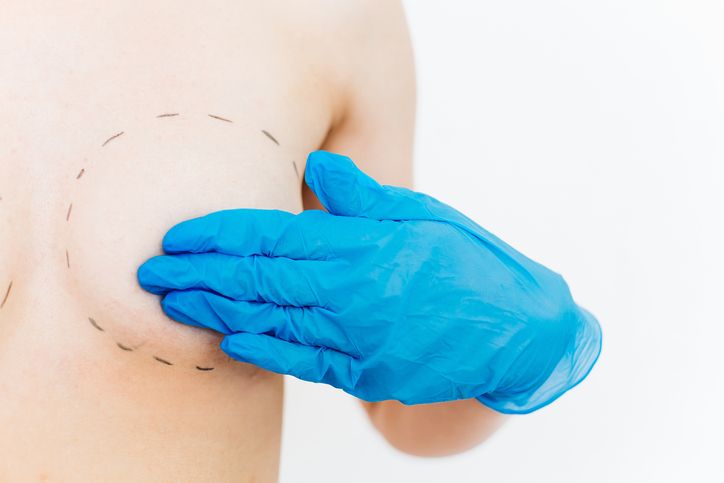
It depends on your indication. The joint ISAPS/ASERF/Aesthetic Society advisory notes:
Absolute “en bloc” capsulectomy = when cancer is in the capsule.
Relative indications for total capsulectomy include capsular contracture, silicone gel rupture, and sometimes textured implant removal/exchange.
For many patients with systemic symptoms, symptom improvement occurs after implant removal with or without total capsulectomy.
The FDA and specialty societies acknowledge systemic symptoms (fatigue, brain fog, joint pain, etc.) reported by some patients with implants. Prospective data show rapid, sustained symptom improvement after explant, independent of capsulectomy type; BII currently remains a diagnosis of exclusion.
BIA-ALCL is a rare lymphoma most strongly linked to textured implants. Symptoms often include delayed swelling/seroma, a mass, or asymmetry years after placement. Management typically involves implant removal + total capsulectomy; your surgeon will coordinate oncology care. The FDA has also reported very rare cases of SCC and other lymphomas in the capsule. Anyone with new swelling, pain, or a mass should be evaluated promptly.
Yes. The FDA recommends ultrasound or MRI at 5–6 years after silicone gel placement, then every 2–3 years to screen for silent rupture—guidance many Canadian surgeons follow. Regular clinical follow-up is advised for all implant patients.
Bleeding/hematoma, infection, fluid collections, changes in nipple sensation, contour asymmetry, and risks of anesthesia. Capsulectomy adds operative time and may increase risk versus implant removal alone; the decision balances indications and benefits/risks.
Public plans generally cover medically necessary hospital/physician services; cosmetic procedures are not covered. Coverage for explant may be considered when there’s documented medical necessity (e.g., rupture, severe contracture, infection), but policies vary—confirm with your provincial plan and surgeon. Example policy pages note cosmetic surgery is not insured unless medically required.
Prices vary by city, complexity (capsulectomy, lift), anesthesia/OR time. Current public references show an average of $5,000-$10,000
Yes—many patients choose a lift and/or fat transfer to improve shape after volume loss. This adds OR time, recovery and cost, but can deliver a more balanced result in one surgery.
For patients with rupture, contracture, symptom concerns, or simply a change in preference, explant can relieve symptoms and reset to natural tissue—with the understanding that capsulectomy choice should be evidence-based and tailored to your indications.


 English English
  French