Septoplasty is functional nasal surgery that straightens a deviated septum, the wall of cartilage and bone dividing the two nostrils. A deviation can block one or both sides, causing chronic congestion, disturbed sleep and recurrent sinus trouble. Surgeons often reduce enlarged turbinates during the same operation where those are contributing to the blockage.
It is usually a day case, taking thirty to ninety minutes under general anaesthetic or local with sedation, with around a week off desk work. Because it corrects breathing rather than appearance, septoplasty is often covered by provincial health insurance where a purely cosmetic nose operation is not. If you also want the external shape of the nose changed, that is rhinoplasty, and the two are commonly combined as a septorhinoplasty.


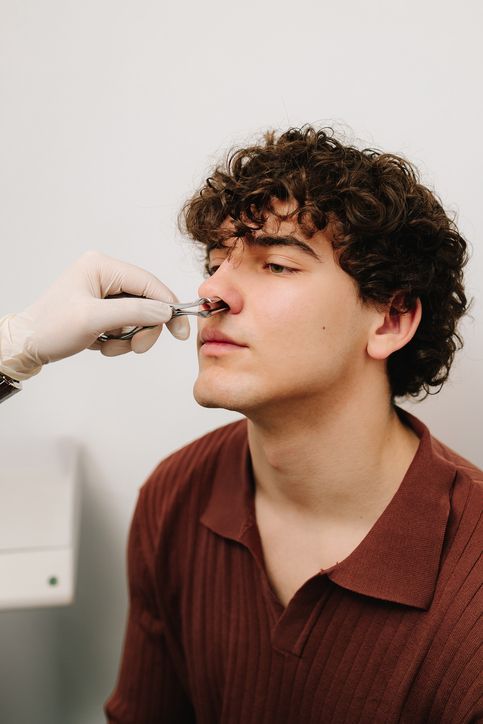
A functional surgery performed inside the nose to reposition/reshape the septum’s cartilage and bone so air passes more freely; surgeons may place soft splints/packing to support healing.
Adults with nasal obstruction from a deviated septum that persists despite medical therapy (e.g., allergy management). Septoplasty can also be part of care for issues like chronic sinusitis or recurrent nosebleeds when anatomy contributes.
Rhinoplasty changes the nose’s appearance; septoplasty improves airflow. They can be combined (septorhinoplasty) when both function and form need addressing.
Expect stuffiness, light bleeding and facial pressure in the first days. Many people feel ready for desk work in about a week; light activity returns around a week and strenuous exercise at ~3–4 weeks as cleared. Full internal healing continues for months.
As with any surgery: bleeding, infection and anesthesia reactions. Septoplasty-specific risks include persistent obstruction, septal perforation, changes in smell, hematoma, temporary numbness in teeth/nose, and—less commonly—a change in external shape requiring further treatment.
If snoring/OSA is driven partly by nasal blockage from septal deviation, improved airflow can help—though septoplasty is not a standalone cure for sleep apnea in most patients. A full airway evaluation guides expectations.
Septoplasty can ease snoring caused by nasal obstruction, but it is not a treatment for obstructive sleep apnea on its own. If apnea is confirmed by a sleep study, a sleep appliance or CPAP addresses the airway collapse that causes it.
Coverage: Under the Canada Health Act, provincial/territorial plans cover medically necessary physician and hospital services. When septoplasty is performed for airway obstruction (not cosmetic), it’s generally insured when delivered in the public system. If combined with cosmetic rhinoplasty, only the functional portion is typically insured; patients pay the cosmetic fees.
Private/self-pay context: Clinic lists show starting fees around ~C$5,999 in Toronto; actual out-of-pocket totals vary by city, surgeon, facility/anesthesia time, and whether other procedures (e.g., turbinates or rhinoplasty) are added. Your consultation provides an exact quote.
Yes—if any portion isn’t insured (e.g., private setting or cosmetic add-ons), Beautifi offers flexible monthly payments. Use the Loan Calculator or Apply Now to check options.
For properly selected patients, straightening the septum can meaningfully improve nasal breathing and quality of life with outpatient recovery. Choosing an experienced ENT/facial plastic surgeon and following after-care optimizes results.
Often, yes - where the deviation is genuinely obstructing your breathing, septoplasty is treated as medically necessary and provincial plans commonly cover the surgeon and hospital fees. What is generally not covered is any cosmetic change to the external shape of the nose done at the same time, which is billed privately. Coverage rules and wait times differ by province, so ask your surgeon exactly which part of the quote is insured and which is not before you book.





