Acne & Acne Scar Treatment includes personalized options for active breakouts, post-acne discolouration, and textural scars. Depending on the concern, a plan may use medical-grade skincare, chemical peels, light or laser treatments, microneedling, radiofrequency microneedling, subcision, or injectable treatments. These approaches work in different ways, such as reducing acne activity, supporting skin renewal, stimulating collagen, or releasing and filling depressed scars. Active acne is generally brought under control before procedures aimed mainly at correcting established scars.
The recommended approach depends on scar type and depth, skin tone, acne activity, medical history, budget, and tolerance for downtime. Some people need a series of sessions or a combination plan, and improvement, recovery, and longevity vary by treatment and provider. A consultation with a qualified medical professional can clarify realistic options, risks, timing, and cost, while Beautifi can help patients explore qualified providers and financing.


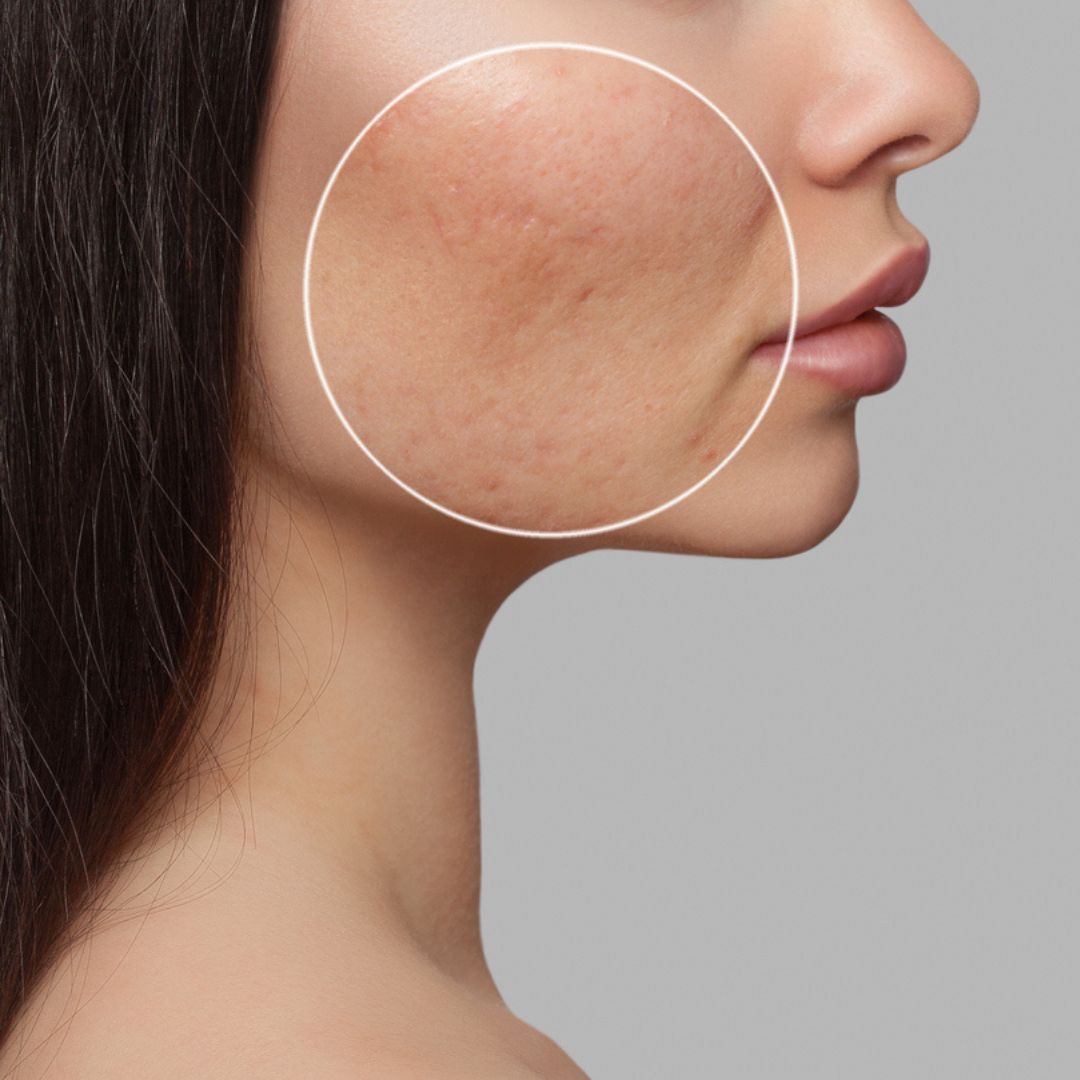


Acne leaves three broad kinds of mark, and they respond to different treatments. Depressed (atrophic) scars are the most common and split into ice pick scars, which are narrow and deep; boxcar scars, which are wider with sharp edges; and rolling scars, which give the skin an uneven, wavy surface. Raised (hypertrophic or keloid) scars sit above the skin and are more common on the chest, back and jawline. Flat red or brown marks left after a spot clears are not scars at all but post-inflammatory pigment change, and they often fade on their own. Most people have a mix, which is why an assessment usually produces a combination plan rather than one treatment.
They help with some things and not others. Retinoids, niacinamide, azelaic acid and vitamin C work on the flat red and brown marks left after acne clears, and consistent daily sunscreen prevents those marks from darkening further. What topical products cannot do is refill a depressed scar, because the loss is in the collagen under the surface rather than in the pigment on top. Salicylic acid and benzoyl peroxide treat active acne, which matters because controlling breakouts prevents new scars, but they do not resurface old ones. In-clinic options such as microneedling, resurfacing lasers, peels or subcision are what address texture.
It depends what you are looking at. The red or brown marks left behind after a spot heals usually fade without treatment, though it can take three to twelve months and longer on deeper skin tones. True scars, where the skin's surface is indented or raised, are a permanent change in the tissue and do not resolve by themselves. They can soften slightly over years but will not return to untextured skin without treatment. Treatment aims to improve depth and texture rather than erase them, and a realistic result from a well-chosen course is meaningful improvement rather than complete removal.
Look for a certified dermatologist, or a physician-led clinic where a doctor assesses your skin and sets the plan, rather than a single device being sold to everyone. Ask which type of scarring you have and why the proposed treatment suits it, since ice pick scars and rolling scars respond to different techniques. Ask about experience with your skin tone specifically, because some lasers carry a higher risk of pigment change on deeper tones and settings must be adjusted. A good provider will also want your active acne controlled first, and will tell you how many sessions are likely before you commit rather than after.
Acne and acne scarring commonly appears on the face, but can also appear on the back, neck, shoulders, chest, and buttocks. All types and areas – including any scarring that remains – can be treated with a combination of therapy best suited for the type of acne and scarring present. A combination approach may include a mix of prescriptions, therapeutic skin products, chemical peels, or laser therapy. Acne and acne scar treatments can not only alleviate acne and improve the skin by encouraging healthy skin cells to grow while replacing the scar tissue, but treatments can restore self-image and self-esteem.
Risks vary by treatment, but temporary redness, swelling, tenderness, dryness, peeling, bruising, or pinpoint bleeding are common after many procedures. Less common complications can include infection, acne flares, prolonged redness, burns, delayed healing, new scarring, and darker or lighter pigmentation. Pigment changes can be more likely after some laser or peel treatments, particularly when the device or strength is not well matched to the patient’s skin tone.
Contact the treating clinic promptly for worsening pain, spreading redness, pus, fever, blistering, rapidly increasing swelling, or colour changes that are severe or persistent. Seek urgent medical care for breathing difficulty, facial or throat swelling, or other signs of a serious allergic reaction.
For broader surgical and non-surgical approaches to improving scars, see our Scar Revision guide.
Candidates for acne and acne scar treatments are designed for men and women suffering from acne and residual scarring. Treatments do not completely remove all acne scars. Acne and acne scar treatments are ideal for healthy individuals who want to reduce acne and/ or minimize pain from acne scarring while also maintaining realistic expectations. It is critical to discuss with your health care provider whether acne/ acne scarring treatments are right for you and which treatment would best serve your desired goals.
Acne and acne scars can be treated using a variety and combination of methods, including laser treatments, therapeutic skin care products, and dermal injections among other treatments. Some acne and acne scar treatments include, but are not limited to:
Laser Toning – Laser toning uses a gentle laser to reach deep into the skin and break up the pigments, leaving patients with a brighter and clearer complexion.
Microneedling – Macro- and micro- needling solutions uses a powerful radiofrequency device that delivers a refined acne scar treatment, as well as a natural method of reducing acne. This treatment is ideal for reducing pore size and oily skin, and due to its ability to reach deep layers of the skin, macroneedling can be combined with other treatments, such as serums or topical treatments for optimal results.
Skin Resurfacing – Skin resurfacing technologies such as Fraxel, Profractional, and Halo, stimulates the body’s natural healing process and allows for collagen production. Collagen is responsible for volume in the skin, while also providing a more youthful look. Skin resurfacing will aid in improving the texture and tone of the skin, and minimize acne scars pores, fine lines, and wrinkles.
NanoLaserPeel – NanoLaserPeel uses light energy to safely remove layers of skin, revealing new, younger looking skin and triggers the body’s regeneration process. The laser activates a special messenger protein in the skin that communicates with deeper layer tissues. This will help to restore the skin to a more luminous appearance, and help skin conditions such as acne scarring, enlarged pores, and fine lines & wrinkles.
Depending on your acne and acne scar treatment, most patients with moderate acne/ acne scars can resume regular activities in a few days. After treatment the skin may look red and have some swelling and/ or bruising, but this will generally subside. Those with severe acne scarring may need an additional few days of recovery to resume normal activities. It is critical that you follow the instructions provided by your healthcare provider.
Results after acne and acne scar treatment are not immediate. Depending on the severity of the acne and scarring, visible results may take a few months as it takes time for your skin to respond to treatments. Results will also greatly depend on the type and number of treatments undertaken.
Treatments for acne and acne scars are relatively safe, but with any cosmetic treatment there are potential risks. Some of the risks and side effects include, but are not limited to:
Mild to moderate degree of redness/ swelling
Discoloration
Several days of swelling/ bruising
Pain at the site of treatment
The cost of acne and acne scarring treatments varies depending on the patient and several factors including, the number of scars treated, size of the area being treated, the type of treatment, and the number of treatments needed. The average cost of acne and acne scar treatments ranges from $200 to $3,400.