



At a Glance
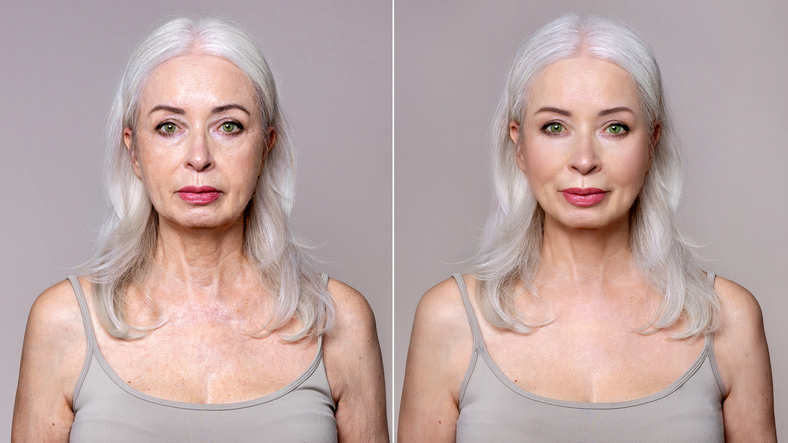
A thread lift is a nonsurgical cosmetic procedure that uses thin, absorbable threads placed just under the skin to gently lift areas like the cheeks, jawline, brows, or neck. Besides the immediate lifting, the threads nudge your skin to make more collagen, which can improve firmness over time. Appointments are quick, use local anesthesia, and recovery is usually short. Results are subtle and temporary, which is why many people call it a “lunchtime facelift.”
Table of Contents
What is a Thread Lift?
How it works. A trained clinician places dissolvable, barbed sutures with a fine cannula along lift “vectors.” The tiny barbs anchor soft tissue so it can be repositioned, and collagen forms around the threads as they dissolve. Common thread materials include PDO, PLLA, and PCL.
Where it helps: Early jowling, mild cheek descent, softening of the jawline, subtle brow elevation, or light neck laxity. It is not a replacement for surgery when there is a lot of extra skin.
Popular Types of a Thread Lift
- Cat or “fox eye” lift: lateral brow is lifted slightly toward the temples.
- Eyebrow lift: soft lift of heavy or furrowed brows.
- Nose threads: shaping and light tip support, sometimes paired with fillers.
- Neck threads: smoothing mild banding or laxity.
Note: Techniques vary by anatomy and provider training. Ask to see your clinician’s own before-and-after's.
How Long Results Last
Expect an immediate but modest lift, with collagen support that can extend the benefit. Most sources report about 6 to 18 months of effect depending on thread type, area, skin quality, and habits. Some people repeat treatment when the lift fades.
Key Benefits of a Thread Lift
- Subtle lift and contour with local anesthesia and short appointments
- Quick recovery compared with surgery in properly selected patients
- Collagen stimulation that can improve skin quality for months after placement
- Can be combined with skincare, neuromodulators, or fillers when appropriate
Limitations of a Thread Lift
- Results are temporary and modest compared with a surgical facelift
- Not ideal for significant skin excess or heavy tissue descent
- Some people need touch-ups or repeat treatment for maintenance
Safety Snapshot
Common, short-term effects include swelling, bruising, tenderness, and temporary skin puckering that settles as tissues relax. Uncommon issues include asymmetry, visible threads, infection, or the need to adjust or remove a thread. Choosing an experienced, board-certified provider and following aftercare lowers risk.
Recovery Timeline
- Days 1–3: swelling or tightness; sleep on your back; avoid big facial movements.
- Days 4–7: bruising fades; light work is fine; no intense exercise yet.
- Weeks 2–4: most people feel socially comfortable; avoid facials and vigorous massage.
- Weeks 6–12: results appear more natural as collagen forms.
Aftercare often includes head elevation, no sauna or heavy workouts for about a week, and avoiding moisturizer or facial manipulation initially. Follow your clinic’s specific plan.
How Much Does a Thread Lift Cost?
Prices vary by city, thread type, and how many areas are treated. Patient-reported ranges in North America are commonly $1,500 to $7,000 per session. Always request a written quote listing thread brand, number of threads, areas treated, and the follow-up policy.
With Beautifi, that can be as low as $132/month, helping you along your journey.
Monthly payments will vary depending on a variety of factors, including credit history and monthly income. The minimum amount financed is $1,000. No down payment required. Amounts shown are exclusive of all fees. Offer is subject to credit approval by Beautifi Solutions Inc. Beautifi is an independent third-party financing provider. This does not constitute an endorsement or recommendation of any medical treatment or provider. Terms and conditions apply.
Applying takes less than 3 minutes and has no impact on your credit score.
Thread Lift vs Facelift
A surgical facelift repositions deeper tissues and removes excess skin for a larger and longer-lasting change, with more downtime and higher cost. A thread lift is best when you want a small lift now, minimal recovery, and you accept that the improvement is temporary.
FAQs: Thread Lift
What is a thread lift in plain language?
A quick procedure that places dissolvable threads under the skin to lift and nudge collagen, giving a subtle refresh to areas like the cheeks or jawline.
What type of thread lifts exist?
Brow, “fox eye,” nose, cheek, jawline, and neck variations are common. Techniques vary by provider and anatomy.
Who is a good candidate?
People in their late 30s to early 50s with early laxity who want modest improvement without surgery and who have realistic expectations. It can also “touch up” prior surgical results.
How long does a thread lift last?
Typically 6 to 18 months, depending on threads, area, and skin quality. Repeat treatments can maintain results.
Does it hurt?
Local anesthesia is used. Expect pressure or tugging rather than sharp pain. Mild soreness for a few days is common.
What happens before, during, and after?
You review goals, get numbing, and threads are placed with a cannula. Visits often take about an hour. Afterward you can go home, avoid rubbing the face, keep the head elevated, and follow a short list of do’s and don’ts from your provider.
What can go wrong?
While uncommon, issues can include bleeding, infection, asymmetry, thread visibility, or temporary puckering. Most are manageable with follow-up care.
When should I call my provider?
If pain worsens after the first few days, you develop fever, or swelling persists beyond expectations, contact your clinic.
Is it worth it?
If you want a modest, quick refresh with little downtime and accept that results are temporary, many people feel it is. For big, long-lasting changes, discuss surgical options.
 English
  French