Tattoos are a form of body art that involves injecting ink into the dermis layer of the skin to create permanent designs or patterns. This art form has been practiced for centuries across various cultures, and today, tattoos are popular for personal expression, cultural significance, and aesthetic purposes.


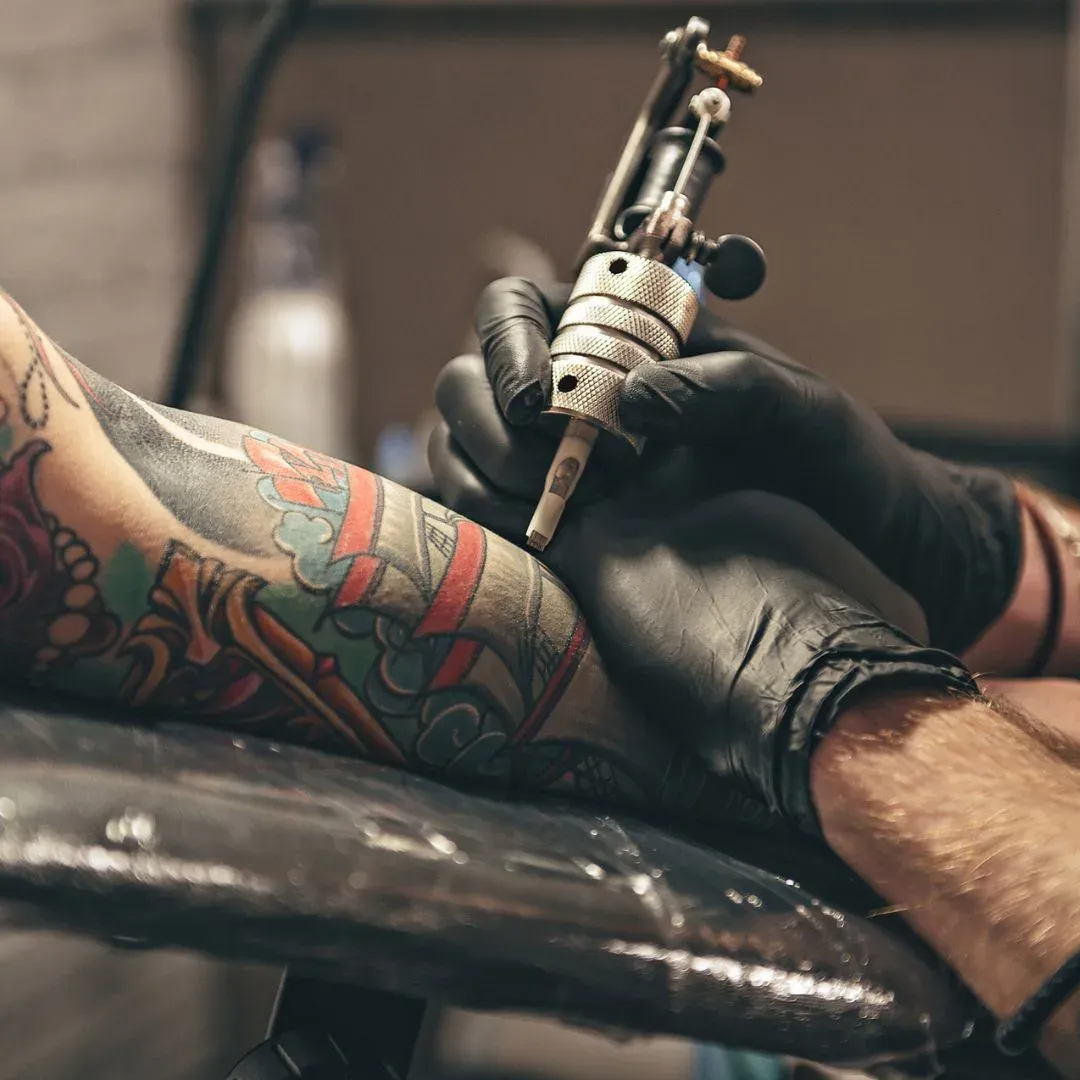


Tattoos are enduring works of art etched into the canvas of one’s skin, a fusion of creativity and self-expression. Crafted by injecting pigment into the dermis layer, tattoos become a lasting testament to personal narratives, cultural heritage, or purely aesthetic preferences. Beyond their physical permanence, tattoos encapsulate a profound journey of identity, encapsulating stories, memories, and emotions in vibrant and intricate designs.
Generally, anyone in good health can get a tattoo. However, individuals with certain medical conditions, skin infections, or allergies may need to consult with a professional tattoo artist or their healthcare provider to determine suitability.
Virtually any part of the body can be tattooed, including arms, legs, back, chest, and even more sensitive areas. The choice of location depends on personal preference and pain tolerance:
Versatility of Tattoo Locations: Virtually any part of the body can serve as a canvas for tattoos. This includes common areas like the arms, legs, back, and chest, allowing individuals to choose a location that aligns with their desired aesthetic or symbolic meaning.
Common Tattoo Locations: Tattoos are frequently inked on the arms, providing ample space for both small designs and larger sleeves. Legs offer expansive canvases, while the back provides a broad and often favored area for intricate designs. The chest is another popular choice, offering a central and prominent location.
Inclusion of Sensitive Areas: Beyond the more traditional areas, tattoos can be applied to more sensitive regions of the body. This includes areas like the neck, hands, feet, and even the face. The decision to tattoo these areas often involves careful consideration due to the potential for increased pain and visibility.
Personal Preference in Location: The choice of tattoo location is highly subjective and driven by personal preference. Some individuals opt for visible areas to showcase their artwork, while others choose more discreet locations for a subtle or private expression.
Symbolism and Meaning: The significance of the tattoo design may influence the chosen location. For example, a symbol representing strength may be placed on the chest, while a meaningful quote could find its place on the forearm. The connection between design and location adds layers of personal meaning to the tattoo.
Pain Tolerance Consideration: Pain tolerance is a crucial factor in deciding where to get a tattoo. Areas with thinner skin or closer proximity to bones and nerves, such as the ribs or ankles, are generally considered more painful. The decision on the location is often influenced by an individual’s comfort level with potential discomfort during the tattooing process.
Customization and Body Contours: Tattoo artists skillfully adapt designs to the body’s contours, ensuring that the artwork complements the natural lines and curves of the chosen location. This customization enhances the overall visual appeal of the tattoo.
In summary, the versatility of tattoo locations provides individuals with a wide range of options to express themselves artistically. The decision on where to get a tattoo is a blend of personal preference, symbolism, pain tolerance, and the desire for a customized and meaningful body art experience.
While there is some pain and discomfort associated with getting a tattoo, the level of pain you experience will depend largely on your individual pain tolerance, the size of your tattoo, and tattoo placement.
For example, areas of the body that have naturally thinner skin and less fat, such as the foot or hand, tend to be more painful than the stomach or arm. Tattoo placements on top of bone, such as the knee or ribcage, are typically more painful as well. And of course, you can expect larger tattoos to take more time than smaller designs, which can impact the level of discomfort you experience.
Most patients find that any pain or discomfort during a tattoo is well-tolerated and feels like a stinging, burning, or scratching sensation. To help reduce pain during your tattoo session, make sure to get a good night’s sleep, drink plenty of water, and eat at least two hours beforehand.
A tattoo consult is designed to be a collaborative process where you can share ideas and create a unique artwork that speaks to your personal narrative, cultural heritage, or aesthetic preferences. During a tattoo consult, you’ll sit down with your tattoo artist to discuss your design and placement ideas. Plan to bring any examples of tattoos that you like to help your artist get an idea of your desired style, and ask to see examples of recent work from the artist’s portfolio to make sure it’s a right fit.
With a design in hand, your tattoo artist can provide recommendations on sizing and placement and may even be able to create a quick mock-up so that you can see how the tattoo might look when applied. Finally, your tattoo artist will provide an estimate of the cost and how long the tattoo process will take so that you can start thinking about scheduling.
Design Creation: The tattoo process begins with the artist and the client collaborating on the design. This involves discussing ideas, preferences, and the overall concept. The artist then translates these discussions into a visual representation, creating a unique and personalized design.
Skin Cleaning and Preparation: Once the design is finalized, the artist cleans and prepares the client’s skin at the chosen tattoo location. This step involves removing any oils, dirt, or debris from the skin’s surface to ensure a clean canvas for the tattoo application.
Use of Tattoo Machine: The core of the tattoo process involves the use of a tattoo machine, also known as a tattoo gun. The machine houses needles that rapidly puncture the skin, delivering ink into the dermis layer. The needles move up and down, creating a controlled puncturing motion that results in the desired design.
Ink Injection into the Dermis: The tattoo machine injects ink into the skin’s dermis, the second layer beneath the epidermis. Unlike temporary tattoos that only penetrate the outer layer of the skin, tattoos are designed to be permanent, as the ink is embedded in the deeper layers.
Discomfort during the Process: The tattooing process can cause some discomfort, and individual pain tolerance varies. Sensations range from a mild scratching or buzzing feeling to a more intense, stinging sensation. The discomfort is a natural part of the process, but many find it manageable, especially for smaller tattoos.
Healing Time Variation: After the tattoo is completed, the healing process begins. Healing time varies depending on factors such as the size and complexity of the tattoo, the individual’s overall health, and adherence to aftercare instructions. Generally, it takes a few weeks for the skin to fully heal, during which the tattoo may go through phases of peeling, scabbing, and color settling.
Importance of Aftercare: Proper aftercare is crucial for optimal healing and the preservation of the tattoo’s quality. This includes keeping the tattoo clean, moisturized, and protected from the sun. Following the aftercare instructions provided by the tattoo artist helps minimize the risk of infection and ensures the best long-term results.
The tattoo process involves a collaborative design phase, meticulous skin preparation, and the skilled use of a tattoo machine to inject ink into the dermal layers. While some discomfort is associated with the process, proper aftercare plays a vital role in achieving a well-healed and vibrant tattoo.
Colour and black tattoos use varying types of needles in order to get the desired artistic effect, which can result in slight differences in process. During the application process, colour and black or gray shading require more needles than a standard black outline. Your tattoo artist will swap out tattoo needles throughout the process as needed to achieve the desired effect. Most artists start with darker shades, beginning with the outlining and shading, and ending with colour.
Because colour tattoos often require additional needles in order to properly condense the pigment, some patients report feeling additional pain or discomfort during the colouring process. Your tattoo artist will also likely pass over the same spot multiple times in order to saturate the skin and ensure your colours are long-lasting.
The average length of time for each tattoo session can vary greatly depending on a variety of factors. Factors that can impact your tattoo session timing include the complexity of your tattoo design, color vs. black, size, body placement, and even the unique pace of the tattoo artist, as some artists work more quickly than others. Most tattoo sessions are scheduled for anywhere between 1 to 4 hours. For larger or more detailed work, you may need to schedule multiple sessions spaced apart once each segment has fully healed.
Standard recovery time involves a few weeks. During this period, it’s essential to keep the tattoo clean, moisturized, and protected from the sun. Follow the aftercare instructions provided by the tattoo artist to promote proper healing.
Most tattoos take several weeks to heal on the surface area, with full healing taking as long as several months. Generally speaking, colored tattoos tend to take longer to heal, as the tattoo artist will make multiple passes on the same area to condense the ink. You can help your tattoo heal properly by following aftercare instructions:
Cover with a bandage for at least five days to keep your tattoo safe from infection or contamination. Your tattoo artist will recommend the type of bandage that is best for your tattoo.
Gently cleanse your tattoo with unscented soap and water.
Apply a healing ointment on a daily basis, such as Aquaphor, CeraVe, or another tattoo artist-recommended ointment.
Stay out of the sun and do not apply sunscreen until your tattoo has completely healed.
Do not scratch or pick or tattoo while it heals. You will experience itching for a few days, but this can be managed by applying a cold compress or by gently applying pressure.
Wear loose, comfortable clothing to avoid unnecessary friction.
Avoid swimming for at least two to three weeks, as chlorine and other chemicals can wreak havoc on a new tattoo.
The initial results are visible immediately after the tattoo session, but the true colors and final appearance emerge as the skin heals. Complete healing may take a few weeks.
Tattoos are generally permanent, but factors like sun exposure, aging, and skin changes can impact their appearance over time. Proper care and maintenance can help preserve the vibrancy and longevity of a tattoo.
Following the proper tattoo aftercare is a crucial first step in ensuring the vibrancy and clarity of your tattoo over time. Once the healing process is complete, you can protect your tattoo over the long-term by:
Using a high-quality moisturizer or balm to keep your skin soft and protected.
Drinking plenty of water to help your skin stay hydrated.
Applying sunscreen each time you are out in the sun. UV rays will cause your tattoo to fade and blur – and in some cases, the ink can even change colors.
Stop using tanning beds, as the high-intensity UV rays can quickly diminish the clarity and vibrancy of your tattoo.
Avoid significant fluctuations in weight. Excessive stretching and constricting of your skin can cause your tattoo to become distorted.
Tattoo costs vary based on factors such as the size, complexity, and location of the tattoo, as well as the artist’s experience. On average, small tattoos can range from $50 to $200, while larger and more intricate designs can cost several thousands of dollars or more.
While tattoos are generally safe, there can be some potential risks:
Risk of Infection
Allergic Reactions to Ink
Scarring
Dissatisfaction with the Final Result
Choosing a Reputable and Experienced Tattoo Artist
Following Proper Aftercare
Maintaining Good Hygiene
Informed Decision-Making
In summary, while there are inherent risks associated with tattoos, these risks can be minimized through careful consideration, informed decision-making, and collaboration between the client and the tattoo artist. Choosing a reputable artist, following proper aftercare, and maintaining good hygiene practices are key elements in ensuring a safe and satisfying tattoo experience.
 English English
  French