Tattoo removal is a procedure that aims to fade or eliminate unwanted tattoos. It involves various techniques to break down tattoo ink and allow the body’s immune system to gradually remove it. This process benefits individuals who no longer want their tattoos, want to modify existing tattoos, or have regrets about their tattoo choices.


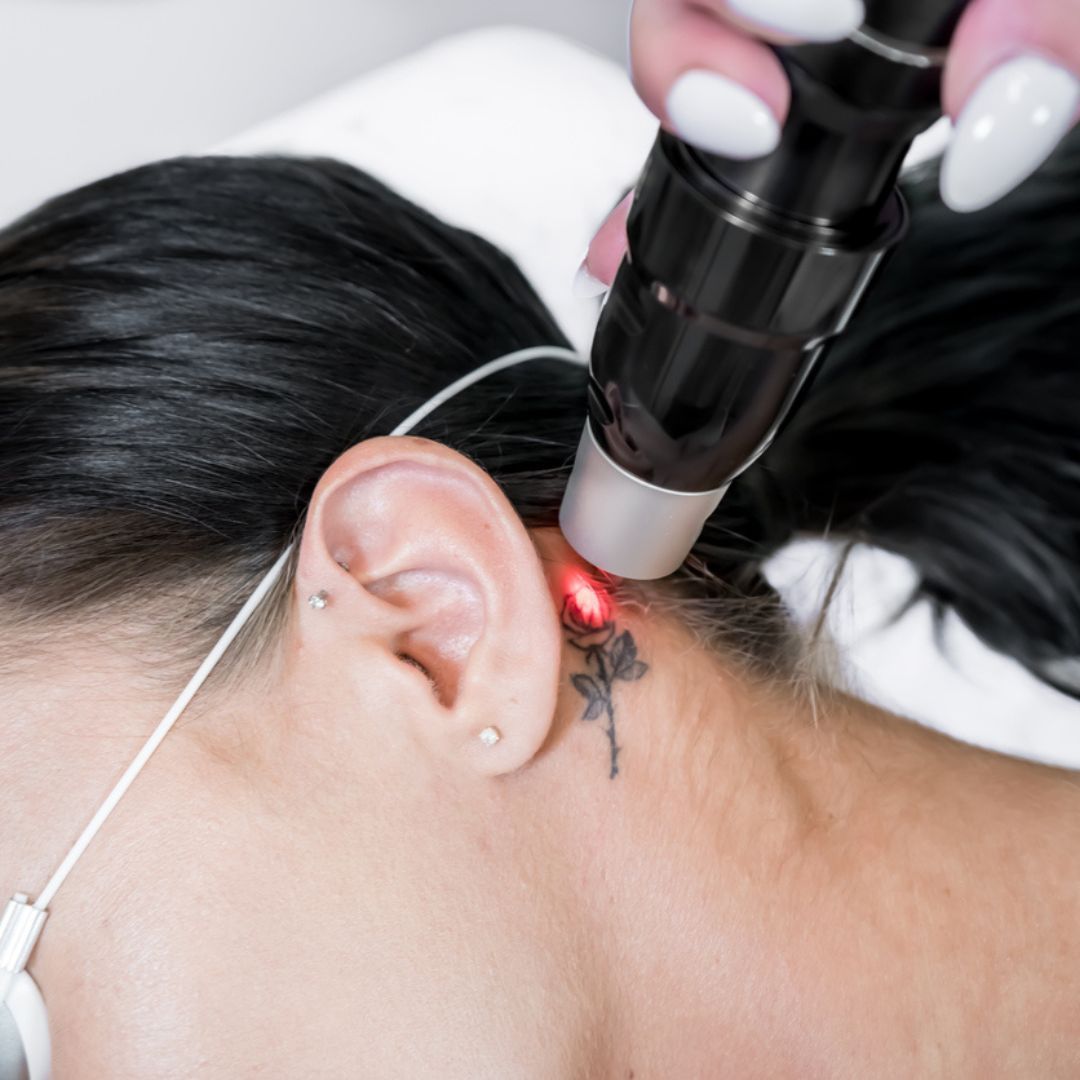


Tattoo removal is a process that aims to eliminate or significantly fade unwanted tattoos. Different methods, including laser removal and dermabrasion, are used to break down the tattoo ink.
Candidates for tattoo removal are generally individuals who:
Got a tattoo more than six weeks ago.
Are unhappy with their tattoo.
Have light, medium, or darker skin tones.
Are in relatively good health.
Are on-smokers.
Have realistic expectations.
Laser Tattoo Removal:
PicoWay Laser: Utilizes precise, high-power energy pulses to break tattoo ink and unwanted skin pigmentation into tiny particles, which are then eliminated from the body.
PicoSure Laser: Uses ultra-short pulse width and pressure-wave technology to break tattoo ink into smaller fragments, enabling effective elimination from the body.
Dermabrasion:
Involves exfoliating the top layers of the skin and targeting the tattooed area to remove the tattoo through the exfoliated skin containing fragmented ink particles.
The duration of tattoo removal depends on factors such as the size, complexity, colours of the tattoo, and the removal method used. Typically, tattoo removal sessions range from a few minutes to an hour.
Recovery after tattoo removal varies based on the treatment method used. Laser removal may cause temporary redness, swelling, discomfort, blistering, and scabbing. Following post-treatment instructions, including cleanliness, sun protection, and recommended ointments or dressings, is crucial for proper healing.
The results of tattoo removal vary individually. Generally, the goal is to significantly fade or remove the tattoo. Laser removal may require multiple sessions with gradual improvement over time as the body eliminates the fragmented ink particles. Longevity of results depends on factors like skin type, tattoo quality, and lifestyle choices. Complete removal may not always be possible, and residual ink or scarring may remain.
The cost of tattoo removal can vary depending on factors such as the size and complexity of the tattoo, the number of sessions required, the method used, geographic location, and the physician’s experience. In Canada, the cost of tattoo removal can range from $200 to $500 per session.
As with any procedure, there are potential risks and side effects associated with tattoo removals. Some risks include, but are not limited to:
Hypopigmentation
Hyperpigmentation
Scarring
Infection
109/113 people who have undergone tattoo removal have rated the procedure as “Worth It” (96%).
Source – Realself.com
 English English
  French