Fat transfers, also known as fat grafting or fat injections, involves extracting fat from one area of the body and transferring it to an area that lacks volume. It can be an alternative, minimally invasive procedure to receiving implants. Fat transfer can create plumper, more youthful appearances while enhancing the body and reducing unwanted fat.


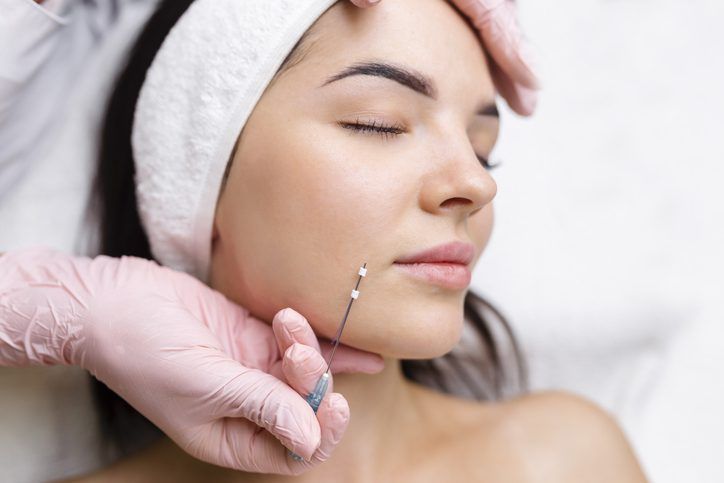


A fat transfer surgery removes surplus fat that has built up in places including the hips, buttocks, lower abdomen, and outer & inner thighs. A surgeon removes the excess fat, and the fat is then injected into body parts to add volume, contour your appearance, and/ or repair scars.
After removing excess fat from body sections that have fat to spare, your surgeon can transfer it to body parts, including:
Face
Hands
Hips
Under-eyes
Cheeks or chin
Breast (Breast Augmentation)
Buttocks (Brazilian Butt Lift)
Lips
If you desire to enhance or restore portions of the body while also reducing undesirable fat, then fat transfer may be a good option for you. You may also be a strong candidate if you meet the following criteria:
A Body Mass Index (BMI) under 30
Healthy individuals who do not have a life-threatening illness or medical conditions that can impair healing
Non-smokers or can quit smoking – smoking slows down the healing process and can increase the risk of complications during and after surgery
Have enough fat on your body – especially if enhancing a larger area such as the hips or butt
Individuals with a realistic expectation
Step 1 – Anesthesia
You will be administered one of the following for your fat transfer surgery:
Intravenous sedation
General Anesthesia
Step 2 – Fat Harvest with Liposuction
Your surgeon will harvest the fat from the donor area by making a small incision and inserting a thin hollow tube or cannula attached to a syringe for extraction.
Step 3 – Fat Transfer to the Desired Location
Once the fat is harvested, it is processed in a special centrifuge that will separate the viable fat cells from the ones of poor quality. Only the most viable fat cells will be injected into the desired area, often referred to as the recipient site. Your surgeon will then insert a needle or cannula into the incision at the recipient site.
A fat transfer surgery can take anywhere from an hour to five hours. The timing is determined on your specific procedure. For instance, a lip fat transfer may take an hour or so while a breast fat transfer may require three to four hours.
The recovery time is determined by the site of the fat transfer. It is typical to experience a few side effects following fat transfer surgery, such as bruising, swelling, or tenderness/soreness. Your doctor may give you specific instructions, such as wearing a compression garment or elastic bandages to cover treatment areas, aid in healing, and achieve the best results. For the first few days, an oral medication may be recommended to help manage your pain.
It may be a few months for the swelling to subside following your fat transfer procedure. As it does so, your new contours will appear and should continue to develop. It takes about six months for the injected fat cells to develop a new blood supply, establish themselves in the recipient area, and produce results.
Fat transfer surgery is found to produce longer-lasting results than dermal fillers or other injectables. However, the success of the fat transfer depends on a variety of factors. Fat is more likely to succeed in its new environment if it is handled delicately during liposuction, or the procedure’s harvesting phase. The surgical technique, the surgeon’s experience, and the amount of fat injected will all have an impact on the procedure’s effectiveness and outcome.
The cost of a fat transfer depends on factors such as geographic location, the surgeon & their experience, and the location of your fat transfer. Typically, the cost in Canada ranges from $5,000 – $10,000.
Fat transfer surgery is a generally safe and natural solution; however, as with any surgical procedure, there are risks and potential complications. Some of the possible risks, side effects, or complications include:
Infection or poor wound healing
Excessive bleeding
Significant scaring
Persistent swelling or bruising
Anesthesia complications
Deep vein thrombosis, cardiac and pulmonary complications
Irregular contours or asymmetries
Change in skin sensation that may persist
Damage to deeper structures such as nerves, blood vessels, muscles, lungs, and abdominal organs
Fat embolism – fat that gets stuck in a vein and goes to your lung
Seroma – fluid build-up under your skin
340/386 people who underwent fat transfer (to the breasts) have rated the procedure “worth it” (88%).
 English English
  French