The term “facial rejuvenation” refers to a group of surgical and non-surgical cosmetic procedures aimed at restoring the appearance of your face and to combat the effects of aging. Neck lifts, brow lifts, and forehead lifts, as well as less invasive procedures such as Botox, dermal fillers, chemical peels, and laser skin resurfacing, are among the most popular treatments.


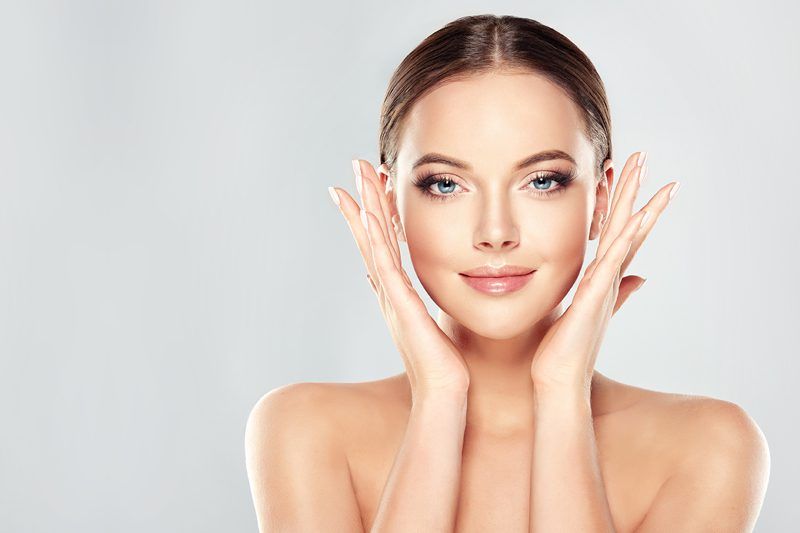


The term “facial rejuvenation” refers to a group of surgical and non-surgical cosmetic procedures aimed at restoring the appearance of your face and to combat the effects of aging. Neck lifts, brow lifts, and forehead lifts, as well as less invasive procedures such as Botox, dermal fillers, chemical peels, and laser skin resurfacing, are among the most popular treatments.
There is truly no one-size-fits-all solution for facial rejuvenation, which makes it an ideal way to meet a variety of aesthetic goals. A facial rejuvenation is a fully customizable treatment plan that can include both surgical and non-surgical procedures. Many patients select a combination of procedures like injectable fillers, rhinoplasty, facial lifts, chemical peels, or even laser resurfacing. Your provider will help you choose the right procedures to ensure your facial rejuvenation meets your individual goals.
The permanence of facial rejuvenation depends on the type of procedures you select. Surgical procedures, such as a rhinoplasty, will provide permanent results. Injectable fillers, such as Botox, will create long-lasting results but need to be repeated and maintained over time. Procedures like a facelift fall in the middle, with results typically lasting between five to ten years.
No matter what you choose to include in your facial rejuvenation, keep in mind that factors such as diet, hydration, and exercise can all have a profound impact on the longevity of your results. Taking good care of your skin (and your overall health) after a facial rejuvenation will help ensure that you can enjoy your results for as long as possible.
Both surgical and non-surgical facial rejuvenation come with their own benefits, downtime, and level of results. Here are some questions that can be helpful to ask yourself when deciding between surgical or non-surgical facial rejuvenation:
What do I want to address? Each type of surgical and non-surgical procedure is designed to address a specific concern. A non-surgical facial rejuvenation is typically best for mild or moderate signs of aging. If you are looking to correct more severe signs of aging, you may be a better candidate for surgical facial rejuvenation.
What type of results do I want to see? If you want a more dramatic, permanent change, surgical facial rejuvenation is likely right for you. If your desired results are more subtle or if you’re more comfortable with a temporary effect, you can likely meet your goals with non-surgical procedures.
What kind of downtime am I comfortable with? While downtime will largely depend on your body’s unique healing process, you can expect a longer recovery for surgical facial rejuvenation.
Can I commit to regular sessions? Non-surgical procedures will provide earlier visible results – but because they are non-permanent, you will need to schedule regular touch-up sessions to maintain results
You can make your facial rejuvenation results last through a variety of regular maintenance, lifestyle, and post-treatment care. While your provider will give you a detailed overview of how to take care of your facial rejuvenation, the following steps will lay a strong foundation for long-lasting results:
Drink plenty of water. Staying hydrated will help maintain skin elasticity, flush out toxins, minimize wrinkles, and balance the natural pH of your skin.
Stay active. A regular exercise regimen will not only boost circulation and promote collagen production, but it will also help avoid extreme fluctuations in weight loss (which can impact the results of your facial rejuvenation).
Wear sunscreen. Protecting against harmful UV rays shields against broken blood vessels, sunspots, sunburn, and supports healthier, younger-looking skin. Avoiding the sun during peak UV ray hours is highly recommended after a facial rejuvenation.
Stop smoking. Nicotine will impair your body’s ability to heal, as well as reduce skin elasticity.
Use high-quality skincare products. Physician-approved skincare products provide key ingredients such as retinol, hyaluronic acid, peptides, and vitamin C to boost the production of collagen and keep your skin healthy following facial rejuvenation.
Following aftercare instructions. Aftercare instructions are designed with effective healing and longevity in mind. Follow your provider’s guidance for skincare, moisturizing, and icing to help your facial rejuvenation last as long as possible.
Get plenty of rest. A healthy sleep schedule will regulate hormones, fight back against cortisol production due to stress, reduce inflammation, and help skin cells regenerate.
Regular maintenance. For non-surgical or temporary facial rejuvenation, keeping to a regular schedule of touch-up treatments will maintain results over the long-term.
Just as with any surgical procedure, a surgical facial rejuvenation does come with some risk of scarring – but a skilled surgeon will place incisions in areas that are easily hidden and can ensure that scarring is minimal. Additional factors that can impact the visibility of scars include your body’s natural healing rate and how well you follow aftercare instructions.
Non-surgical facial rejuvenation has a very low risk of scarring. You may experience tenderness, swelling, or redness, but these side effects are temporary and can be easily managed with proper aftercare
Your facial rejuvenation consult will start with a detailed discussion of your aesthetic goals, including specific areas of concern and your desired outcomes. Your provider will conduct a thorough examination of your face to better understand factors such as skin laxity, texture, depth and appearance of wrinkles, and sun damage. They may take photographs to help check progress over time, as well as to help visualize the type of results that are realistically possible with various facial rejuvenation procedures.
You can also expect to discuss a variety of treatment options, including the unique benefits, risks, recovery time, and aftercare for each procedure. Based on your desired results and current facial health, your provider will make a recommendation and provide a customized treatment plan to help you meet your goals.
Common issues people struggle with when it comes to the eyes and forehead include:
Tired and droopy eyelids
Sagging upper eyelids
Bags/puffiness under the eyes
Frown lines
Forehead wrinkles
Surgical procedures for these areas:
Eyelid surgery – this surgery removes excess skin around the eyes to restore and refresh the face.
Brow lift – A brow lift is a cosmetic procedure that raises the soft tissue and skin of the forehead to improve the appearance of the forehead, brow, and eye area.
Non-surgical procedures for these areas:
Botox – Botox blocks specific nerve signals that cause muscles to contract when injected into the skin. As a result, the muscles relax, therefore reducing wrinkles.
Laser skin resurfacing – This will help to restore any eye damage caused by the sun. It can be done alongside or after eyelid surgery or a brow lift.
Common issues people struggle with when it comes to the nose include:
Long/large nose
Bumps on the bridge of the nose
Too wide or too small of a nose for the face
Breathing difficulties
Asymmetrical nose
Bulbous tip of the nose
Surgical procedures for the nose:
Rhinoplasty – A procedure that alters the appearance of the nose. Many people choose to undergo rhinoplasty to change the appearance/shape of the nose, to improve breathing, or both.
Non-surgical procedures for the nose:
Injectable filler – In some cases, a soft tissue filler injected underneath the skin can be used to reshape the nose.
Age, gravity, and heredity are all factors that can cause facial skin to sag and lose volume over time. Some of the concerns someone may have about their face, cheeks, and chin include:
Wrinkles and folds around the nose and mouth
Sagging jawline
Hollowed cheeks
Prominent or protruding chin
Weak or receding chin
Surgical procedures for these areas:
Face lift/mini face lift – Excess skin is removed, wrinkles/folds are smoothed out, and facial tissue is tightened during a facelift. However, a facelift does not include a brow lift or an eye lift, these are separate surgeries, but they can be done simultaneously as a facelift procedure.
Neck lift – A neck lift removes excess skin and fat from the neck to correct age-related wrinkling and give the area a smoother, slimmer appearance.
Chin reduction – Chin reduction surgery is a procedure that is used to minimize a prominent or protruding chin. Inside the mouth or beneath the chin skin, a tiny incision is made, the chin is contoured to the correct form after the excess bone is removed.
Chin implants – Chin implant surgery is a technique that reshapes or increases the size of the chin. To increase the size and contour of the chin and produce a more naturally beautiful balance between facial features. Surgery involves placing an implant around the existing chin bone.
Cheek implants – The goal of cheek implants is to provide volume and lift to the cheeks. Some people are concerned about the loss of volume in their cheeks or even the sagging of their cheeks as they age. Cheek implant surgery aims to enhance a person’s cheeks. A plastic surgeon may insert a solid implant across the cheekbone to augment the cheeks.
Non-surgical procedures for these areas:
Botox – Botox can be used to smooth out wrinkles in many areas of the face, including around the eyes, mouth, and lips
Injectable filler – Filler can be used to plump out areas of the face, including adding volume to the cheeks and chin
Chemical peels – Chemical peels can give you brighter, younger, smoother-looking skin and help remove fine lines, wrinkles, acne scars, age spots, irregular skin pigmentation, and sun-damaged skin.
 English English
  French