Dry eye therapy with IPL (Intense Pulsed Light) involves using bursts of light to address inflammation in eyelid glands, improving their function and relieving dry eye symptoms. BlephEx, on the other hand, is a mechanical exfoliation procedure specifically designed to clean and unclog the edges of the eyelids and lashes, enhancing the quality of the tear film. Together, these treatments aim to provide comprehensive relief from dry eye discomfort by addressing underlying causes and promoting better gland function.


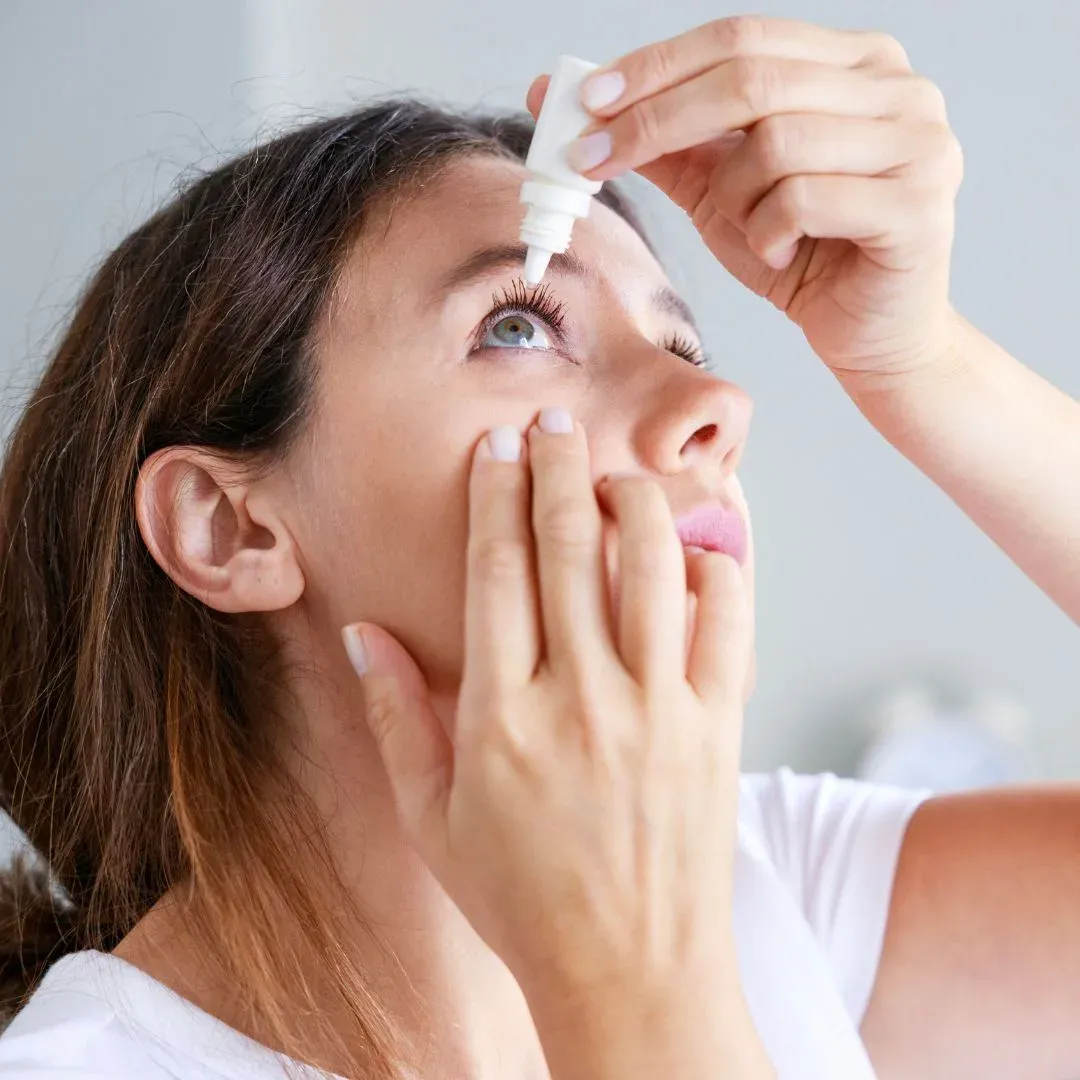


Dry eye therapy, utilizing Intense Pulsed Light (IPL) and BlephEx, presents effective solutions for dry eyes. IPL gently reduces inflammation in meibomian glands, enhancing their function to relieve dry eye symptoms. BlephEx, an efficient mechanical exfoliation method, cleans and revitalizes eyelid glands, improving tear film quality. Administered by professionals, these non-invasive treatments aim to refresh the eyes, alleviate irritation, and restore comfort. IPL involves multiple sessions, while BlephEx offers a quick and efficient procedure. These treatments provide practical options to manage dry eye concerns, contributing to overall ocular well-being without compromising your schedule.
There are several different types of dry eye therapies, the more advanced treatments include IPL and BlephEx.
Intense Pulsed Light (IPL): IPL is a non-invasive light-based therapy used in dry eye therapy. It delivers gentle pulses of light to the eyelids, targeting inflammation in meibomian glands. This helps improve gland function, reduce inflammation, and alleviate dry eye symptoms.
BlephEx: BlephEx is a mechanical exfoliation procedure designed to address dry eye symptoms. A specialized handheld device, the BlephEx, is used to carefully clean and exfoliate the edges of the eyelids and lashes. BlephEx aims to enhance tear film quality by removing debris and unclogging meibomian glands, providing relief from dry eye discomfort.
It’s important to consult with an eye care professional to determine the most suitable dry eye therapy based on your specific condition and needs.
Determining if you are a good candidate for dry eye therapy depends on various factors, including your symptoms and the underlying causes of your dry eye condition. You may be a good candidate if you experience:
Chronic Dryness: Persistent dryness, grittiness, or a feeling of foreign particles in the eyes.
Burning or Irritation: Frequent sensations of burning or irritation in the eyes.
Redness: Persistent redness of the eyes.
Sensitivity to Light: Increased sensitivity to light.
Meibomian Gland Dysfunction: Diagnosis of meibomian gland dysfunction, a common cause of evaporative dry eye.
People in good health
Consult with an eye care professional for a comprehensive evaluation to determine the underlying cause of your dry eye symptoms and whether dry eye therapy, including options like BlephEx or IPL, is suitable for you.
Dry eye therapy methods vary, but here’s a general overview of how IPL and BlephEx are performed:
Intense Pulsed Light (IPL):
Step One – The patient wears protective eyewear.
Step Two – The healthcare professional applies a gel on the treatment area.
Step Three – The IPL device emits pulses of light on the eyelids, targeting meibomian glands. Light energy helps reduce inflammation and improve gland function.
BlephEx:
Step One – A handheld device, the BlephEx, is used to exfoliate and clean the edges of the eyelids and lashes.
Step Two – It removes debris and unclogs meibomian glands, improving tear film quality.
The specific procedure depends on the chosen therapy and the patient’s individual needs. A qualified eye care professional will discuss the most suitable approach based on the type and severity of dry eye symptoms.
The duration of dry eye therapy depends on the specific treatment method:
Intense Pulsed Light (IPL): A session typically lasts around 20-30 minutes. Multiple sessions are often recommended, spaced over several weeks, to achieve optimal results. IPL is a non-invasive and well-tolerated treatment with minimal downtime, allowing patients to resume their normal activities promptly after each session.
BlephEx: The procedure usually takes about 6 to 8 minutes for both eyes. BlephEx is efficient, and patients can resume their regular activities immediately following the procedure. Regular maintenance appointments may be recommended to sustain the benefits of the treatment.
The exact time may vary based on the specific therapy and the individual patient. During the initial consultation, the healthcare professional will provide more accurate information on the expected duration of the chosen dry eye therapy.
Recovery after Intense Pulsed Light (IPL) and BlephEx procedures is generally straightforward, and patients can resume their normal activities promptly. Here’s an overview of the recovery process for each:
Intense Pulsed Light (IPL):
Immediate Period: Mild redness or warmth may occur in the treated area, but these effects typically subside quickly.
Resume Activities: Patients can usually resume their normal activities immediately after the IPL session.
Post-Treatment Care: Following any post-treatment care instructions, such as avoiding sun exposure and using recommended skincare products, may be advised to optimize results.
BlephEx:
Immediate Period: Some patients may experience mild irritation or redness, but these effects typically resolve shortly after the procedure.
Resume Activities: Normal activities can be resumed immediately following the BlephEx procedure.
Post-Treatment Care: Depending on the healthcare provider’s recommendations, patients may be advised to continue regular eyelid hygiene practices and attend follow-up appointments for maintenance.
It’s important to follow any specific post-treatment care instructions provided by the healthcare professional to maximize the benefits of both IPL and BlephEx procedures. Individual experiences may vary, and any concerns should be communicated to the healthcare provider during follow-up appointments.
The timeline for experiencing results after Intense Pulsed Light (IPL) and BlephEx procedures can vary among individuals. Here’s a general overview:
Intense Pulsed Light (IPL):
Immediate Effects: Some patients may notice immediate improvements in symptoms like redness and irritation after the first session.
Optimal Results: However, the best outcomes are often achieved with a series of sessions spread over several weeks. Gradual improvement in dry eye symptoms is common.
BlephEx:
Immediate Effects: Improvement in symptoms, such as reduced irritation, may be noticed shortly after the BlephEx procedure.
Maintenance: Regular maintenance appointments may be recommended to sustain the benefits over the long term.
While both IPL and BlephEx can provide relief, it’s essential to understand that individual responses may vary. Your healthcare professional will provide guidance on the expected timeline for results. Patience and consistent follow-ups are key to achieving and maintaining desired improvements.
The duration of results after dry eye therapy varies based on the specific treatment, the underlying cause of dry eye, and individual factors. Here’s a general perspective:
Intense Pulsed Light (IPL):
Results can be long-lasting, but maintenance sessions may be recommended to sustain long-term benefits. The frequency depends on individual response and the severity of the condition.
BlephEx:
Regular maintenance appointments may be advised to keep the eyelids and glands clean and prevent the return of symptoms.
It’s essential to follow the post-treatment care plan outlined by the healthcare professional and attend recommended follow-up appointments. Lifestyle factors, environmental conditions, and overall eye health can also influence the duration of results.
The cost of dry eye therapy in Canada can vary widely based on factors such as the specific treatment method, the location of the clinic, and the individual needs of the patient. As a rough estimate, costs may range from $300 to $2,000 or more per session, depending on the therapy chosen.
Risks associated with dry eye therapy may include:
Risks associated with IPL:
Mild Discomfort: Some patients may experience mild discomfort or a warm sensation during the procedure.
Temporary Redness or Swelling: Transient redness or swelling of the treated area may occur, but it typically resolves quickly.
Hyperpigmentation or Hypopigmentation: Changes in skin pigmentation, particularly in individuals with darker skin tones, may occur, although this risk is relatively low.
Risks associated with BlephEx:
Mild Discomfort: Some patients may experience mild discomfort or a gritty sensation during and after the procedure.
Temporary Redness: Transient redness of the eyelids may occur but usually resolves shortly after the treatment.
Risk of Infection: While rare, there is a minimal risk of infection if proper hygiene practices are not followed.
It’s essential to discuss potential risks and side effects with the healthcare professional during the initial consultation.
 English English
  French