A chemical peel is a cosmetic procedure in which a chemical solution is applied to the skin to remove the outer layer of damaged or aged skin. The goal of a chemical peel is to exfoliate and improve the appearance of the skin by promoting the regeneration of new, healthier skin cells. Chemical peels are commonly used to address various skin concerns, including uneven skin tone, fine lines and wrinkles, acne scars, sun damage, and texture irregularities.


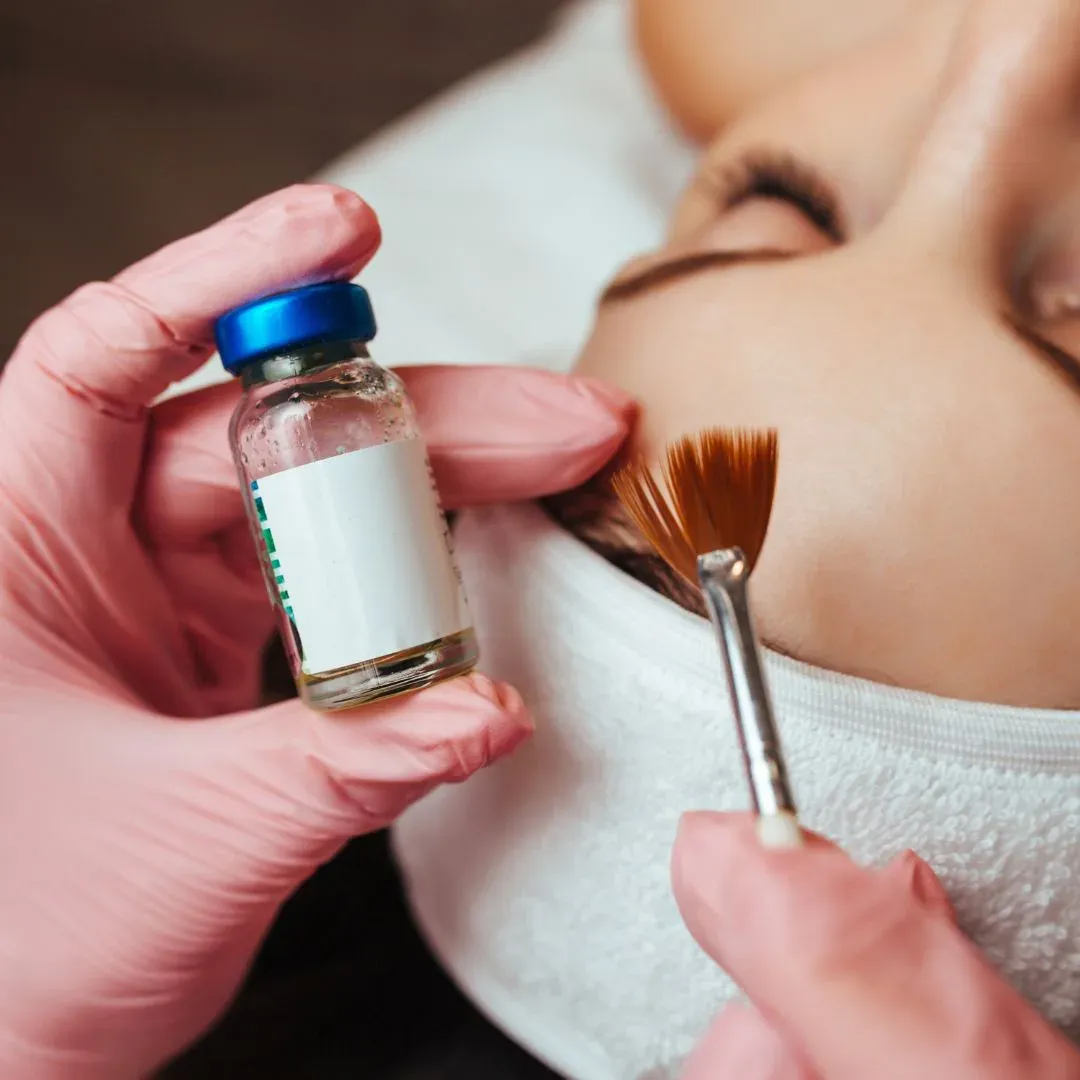


A chemical peel is a cosmetic procedure where a chemical solution is applied to the skin, causing the top layer to exfoliate, revealing smoother and refreshed skin. It is used to improve skin texture, reduce wrinkles, and address various skin concerns. The chemical solution used in a peel can vary in strength and composition, and the choice of the peel depends on the specific skin issues being addressed.
There are three main types of chemical peels:
Superficial Peels (Light Peels): These peels typically use mild acids, such as alpha hydroxy acids (AHAs) or beta hydroxy acids (BHAs), to exfoliate the outer layer of the skin. Superficial peels are often used to improve skin texture, mild discoloration, and fine lines. Recovery time is minimal.
Medium Peels: Medium peels use stronger acids, such as glycolic acid or trichloroacetic acid (TCA), to penetrate deeper into the skin. They are effective in treating more noticeable signs of aging, such as moderate wrinkles and uneven pigmentation. Recovery time is longer compared to superficial peels.
Deep Peels: Deep peels use strong acids like phenol to deeply penetrate the skin and address more severe skin issues, including deep wrinkles and significant sun damage. Deep peels require a more extended recovery period and are typically performed less frequently.
Chemical peels are a versatile cosmetic procedure that can be customized to address various skin concerns. Individuals who may benefit from chemical peels typically include those with the following characteristics or concerns:
Uneven Skin Tone: Chemical peels can help improve skin discoloration, including hyperpigmentation and uneven skin tone caused by sun damage or melasma.
Fine Lines and Wrinkles: Individuals with fine lines and early signs of aging may benefit from chemical peels, especially those with superficial or medium-depth peels.
Acne Scars: Chemical peels can be effective in reducing the appearance of mild acne scars and improving overall skin texture.
Sun-Damaged Skin: Sun-damaged skin, characterized by sunspots, freckles, and uneven pigmentation, can be addressed with chemical peels.
Mild to Moderate Acne: Chemical peels, particularly those with salicylic acid, can help control acne and improve the appearance of acne-prone skin.
Skin Texture Irregularities: Individuals with rough or uneven skin texture may benefit from chemical peels, as they promote exfoliation and skin renewal.
Superficial Veins or Redness: Some chemical peels, particularly those containing certain acids, may help reduce the appearance of superficial veins and redness associated with conditions like rosacea.
Before undergoing a chemical peel, individuals should have a consultation with a qualified dermatologist or skincare professional to assess their skin condition, discuss their goals, and determine the most suitable type and strength of the chemical peel for their needs.
A chemical peel can be performed on the face, neck, chest, and hands—areas commonly affected by sun damage, aging, or acne scars.
Here is a general overview of the chemical peel process:
Consultation: Before undergoing a chemical peel, individuals typically have a consultation with a skincare professional or dermatologist to assess their skin concerns, medical history, and determine the most suitable type of peel.
Preparation: The skin is cleansed, and sometimes a pre-peel regimen, including specific skincare products, may be recommended to prepare the skin.
Application of Chemical Solution: The chemical solution is applied to the skin in a controlled manner. The solution is left on the skin for a specific amount of time, depending on the type and strength of the peel.
Recovery: The recovery time varies based on the type and depth of the peel. Superficial peels may have minimal downtime, while deeper peels may require several days to weeks for the skin to fully heal.
The duration of a chemical peel can vary depending on the type of peel being performed and the specific protocol followed by the healthcare provider. Generally, the time for a chemical peel session ranges from about 30 minutes to an hour.
The recovery process after a chemical peel can vary depending on the type and depth of the peel performed. Here is a general overview of what to expect during the recovery process after a chemical peel:
Immediate Post-Peel Period: The treated area may appear red, and individuals may experience a sensation similar to sunburn.
Swelling and Redness: Swelling and redness are common side effects, especially in the hours immediately following the peel. The extent of swelling and redness depends on the depth of the peel.
Peeling and Flaking: Peeling and flaking of the skin may occur in the days following the peel. This is a natural part of the exfoliation process as the outer layer of skin sheds to reveal new, healthier skin underneath.
Moisturizing and Gentle Skincare: Providers often recommend using gentle skincare products and moisturizers to keep the skin hydrated during the recovery process. Avoid harsh or abrasive products that could irritate the healing skin.
Multiple Sessions and Follow-Up Appointments: Depending on the individual’s skincare goals and the type of peel performed, multiple sessions may be recommended. Follow-up appointments allow the provider to assess the progress and adjust the treatment plan as needed.
The timing for visible results from a chemical peel varies depending on the type and depth of the peel, as well as the specific skin concerns being addressed. Here’s a general guideline for when you might start to see results following a chemical peel:
Superficial Peels: Superficial or light peels often result in minimal downtime. Individuals may notice an immediate improvement in skin texture and a subtle glow. The full effects of superficial peels may become more apparent over the course of a few days to a week.
Medium Peels: Medium-depth peels may result in more noticeable improvements. Results from a medium peel may become apparent within a week to ten days, with significant peeling occurring during this period.
Deep Peels: Deep peels are associated with more extended downtime and a more extended recovery period. Individuals undergoing deep peels may experience significant peeling and redness during the first week, and noticeable improvements may continue to develop over several weeks.
The duration of results from a chemical peel can vary based on several factors, including the type and depth of the peel, the individual’s skin type, and how well they maintain their skin post-treatment. It’s important to note that while a chemical peel can address specific skin concerns and provide noticeable improvements, it does not stop the aging process.
The cost of a chemical peel in Canada can vary widely depending on factors such as the type of peel, the geographic location of the clinic, the expertise of the skincare professional or dermatologist, and the specific needs of the individual. Additionally, the number of sessions and the depth of the peel can influence the overall cost. To offer a general idea, the cost of a chemical peel in Canada may range from approximately $100 to $800 or more per session.
While a chemical peel is generally considered safe when performed by a qualified professional, the treatment does carry some potential risks and side effects. Here is a list of potential risks associated with chemical peels:
Pigmentation Changes
Scarring
Infection
Delayed Healing
Allergic Reaction
Herpes Reactivation
Persistent Redness
Ocular Injury
It’s important to note that the likelihood of these risks varies based on factors such as the type and depth of the peel, the individual’s skin type, and the expertise of the skin care professional performing the procedure. Individuals should thoroughly discuss their medical history, skin concerns, and expectations with their healthcare provider before undergoing a chemical peel.
75/81 people who have undergone a chemical peel treatment have rated the procedure as “Worth It” (93%).
Source: Realself.com
 English English
  French