A breast lift, or mastopexy, is surgery that removes excess skin and reshapes the tissue underneath to raise breasts that have begun to sag. It does not change breast size, so if you also want more fullness it is often combined with a breast augmentation. Surgeons use one of several incision patterns, and the pattern chosen decides where your scars sit and how long they are.
Most breast lifts are done under a general anesthetic and take two to three hours, and most patients need one to two weeks off work and wait around six weeks before strenuous exercise. The new shape is visible straight away, though swelling settles over several months and the incision lines are permanent even as they fade. Aging, pregnancy and weight changes gradually soften a lift, so some patients choose a revision years later. In Canada a breast lift usually costs $7,500 to $10,000, and financing through Beautifi starts at $150 a month.


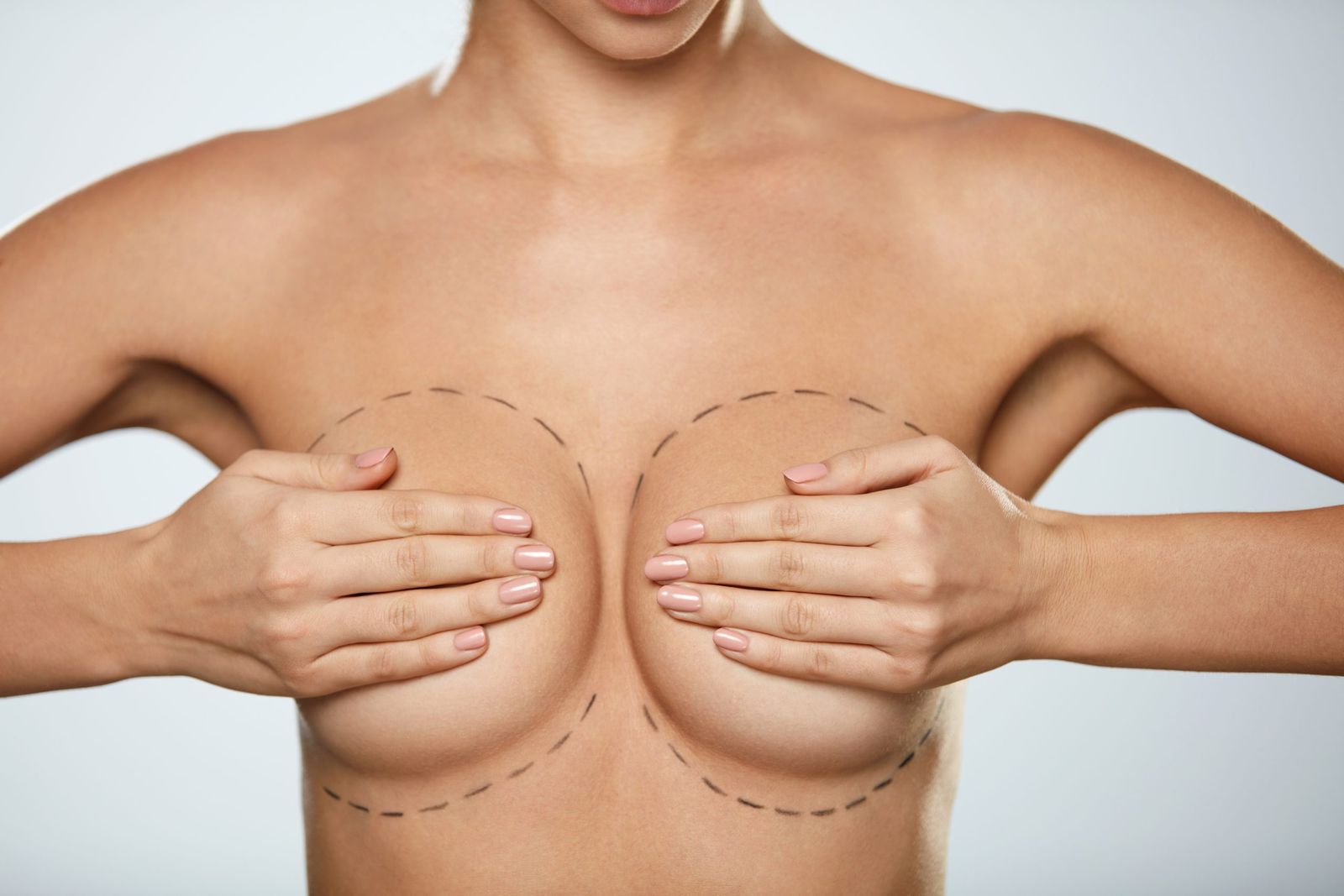


Breast lift surgery lifts and reshapes drooping or deflated breasts, giving them a more youthful appearance.
There are many reasons why you would choose to undergo a breast lift. Your breasts change (losing elasticity and firmness) as you get older, and there are many reasons for this:
Pregnancy – When a woman is pregnant, the breasts become fuller and heavier in preparation for the baby. This causes the breasts to stretch and can cause breasts to sag (whether or not you breastfeed)
Weight loss or gain – Weight changes can cause your breasts to stretch and lose elasticity.
Gravity – Ah, gravity. Gravity causes the ligaments in the breasts to stretch and sag over time.
Excess skin is removed during a breast lift, and breast tissue is reshaped to raise the breasts. If your breasts sag or your nipples point downward, you may want to consider a breast lift. A breast lift does not alter the size of your breasts, although it can be done in conjunction with a breast augmentation or breast reduction. If you meet the following criteria, you may be an excellent candidate for a breast lift:
You have sagging breasts – this means they have lost their shape and volume or have gotten flatter/longer
Your nipples are situated below the folds of your breasts or point downward
Your areolas have become too large in comparison to your breasts.
One of your breasts falls lower than your other breast
Who is not a good candidate for a breast lift?
You may want to delay getting a breast lift if you are planning on having children in the future – pregnancy can cause the breasts to stretch and undo the work of a breast lift.
Breastfeeding is also a factor – breastfeeding is possible after a breast lift, but some women may have difficulty producing enough milk for their children.
Breast lifts can be done on breasts any size, but women with smaller sagging breasts are more likely to have longer-lasting results as larger breasts are heavier, making them likely to sag again.
During your breast lift consult, your surgeon will ask you to provide an overview of your previous medical history, including any pre-existing conditions, allergies, or medications that you are currently taking.
They will also ask you about your aesthetic goals for shaping and positioning, and conduct a physical examination of your chest to examine skin elasticity, breast tissue, volume, and sagging. As part of the physical examination, they may also take measurements and photos to help check progress over time.
You can also expect your breast lift consult to include a conversation about potential risks or complications such as scarring, impact on breastfeeding, or changes in sensation. Your surgeon will provide an overview of what to expect from the recovery process, any restrictions on movement, and the type of aftercare to prepare for.
Deciding to get a breast lift can be an incredibly rewarding, exciting, and personally fulfilling time – but it can also feel overwhelming or stressful. Knowing what to expect every step of the way can make a tremendous difference and can create a much more positive experience. Here are some examples of what you should ask your surgeon before a breast lift:
How much will a breast lift cost?
Is a breast lift covered by my insurance plan?
Can I see any testimonials or before-and-after pictures?
What type of breast lift incision technique do you use?
What breast lift technique would be best for me?
What kind of results can I realistically expect?
How many breast lifts have you performed?
When it comes to breast lift surgery, there is a range of incision patterns and methods to choose from. The correct method for you will be based on:
Breast size/shape
Size and position of your areolas
The extent to which the breasts have sagged
Skin elasticity/quality
Step One – Anesthesia
You will be administered one of the following for your breast lift surgery:
– Intravenous sedation
– General Anesthesia
Step Two – The Incision
The three most common incisions for breast lifts are
Around the areola (Donut)
Around the areola and down to the breast crease in a vertical line (Lollipop)
Around the areola, vertically down to the breast crease and horizontally along the breast crease (Anchor)
Step Three – Reshaping breasts
After the correct incision has been made for your breasts, the following steps the doctor will take are:
– Breast tissue is lifted and reshaped
– Nipple/areola are repositioned to a more youthful height to match your newly lifted breasts
– Larger areolas are reduced (if necessary)
– Excess skin is removed to compensate for elasticity loss
Step Four – Closing the Incision
After your breasts have been lifted and reshaped, sutures are layered deep within the breast tissue to create and support your newly shaped breasts. The incision is then closed (using sutures, skin adhesives, and/or surgical tape), tightening the remaining skin.
Some incisions are hidden in the natural contours of your breasts; however, some incisions are visible on the surface of the breast, but they will fade and improve over time.
Step Five – See the Results
Results are immediately visible, and post-surgical swelling will go down over time.
Depending on how much work is required for your breasts, breast lift surgery usually takes two to three hours, and longer if it is combined with another procedure such as an augmentation. It is normally done as a day procedure, so you go home the same day once you have recovered from the anesthetic.
Like any procedure, your body will take time to recover and heal. You may be able to return to work after just one week, but you will be instructed to wait at least 2-3 weeks before returning to your daily activities and up to 6 weeks before strenuous exercise.
You will be sedated for your breast lift, so having someone to drive you home immediately afterwards (as well as to any follow-up appointments) will be critical.
Someone should also be available to help you with daily activities, including simple tasks like getting up or laying down, as your movement (and comfort level) will be significantly limited during recovery. You should create a recovery plan before your breast lift for things like cooking, cleaning, childcare, and any additional household chores.
Emotional support can be just as important as physical support while you recover. Having a friend, family member, or significant other as a source of emotional support can make a tremendous difference as you recover from your breast lift.
As with any surgical procedure, giving your body a chance to heal properly will be critical – and patients can feel a lot of pressure when deciding when to go back to work. Most surgeons recommend taking at least two weeks of recovery time following a breast lift, but factors such as the intensity of your job and your body’s natural healing rate can impact your recovery time.
If you have a job that requires a great deal of physical activity (or heavy lifting), you may need to wait longer than someone who has a desk job. Your surgeon will work with you to create the recovery plan and timeline for returning to work that is right for you.
Keep in mind that it may take a few months of healing before your swelling goes down – and you may need to hold off on resuming strenuous exercise. Even when you return to work after a breast lift, following your aftercare instructions for rest, icing, elevating, and moisturizing will still be a critical part of your recovery.
Yes, and the incision lines are permanent. A breast lift is done through one of three patterns: around the areola, around the areola and vertically down to the breast crease, or both of those plus a horizontal line along the crease. The more lift you need, the longer the incision, so the third pattern leaves the most scarring.
Scars usually start firm and red and then flatten and fade over 12 to 24 months, and most sit where a bra or swimwear covers them, but they do not disappear. Silicone gel or sheets help soften scar tissue, keeping the area out of the sun helps, and your surgeon will place the incisions to keep them as hidden as your anatomy allows.
The vast majority of women can still successfully breastfeed after a breast lift, though it’s important to discuss any breastfeeding plans with your surgeon in advance. Some women experience minor nerve damage near the nipple after a breast lift, which can reduce lactation during breastfeeding. If you plan on breastfeeding in the future, your surgeon can customize the incision areas and techniques used to help minimize any adverse side effects.
A breast lift gives a lasting change in shape, but it does not stop the breast from aging, so the lift softens gradually rather than holding indefinitely. Published follow-up is mostly one to two years, and a systematic review of mastopexy techniques found only two studies reporting five years or more, so the commonly quoted figure of 10 to 15 years is not something the evidence supports. What studies do measure is a slow return of sagging: one series recorded an average 27.5% loss of the nipple elevation gained one year after surgery.
Most patients are still happy with their shape many years on, and how long yours holds depends on your skin quality, your breast size, pregnancy, and whether your weight stays stable. Heavier breasts tend to sag again sooner, which is one reason some patients combine a lift with a breast reduction. Your surgeon can tell you what is realistic for your breasts and whether a revision is likely.
How long your breast lift holds varies from person to person, and the 10 to 15 year figure often quoted is not well supported by published follow-up. What you can influence is real, though, and these things help:
Keep your weight stable. Gaining or losing a significant amount stretches the skin and works against the lift.
Wear a supportive, well-fitted bra, and a sports bra for exercise.
Protect your skin. Sun damage reduces elasticity, and not smoking makes a measurable difference to skin quality and healing.
If you are planning a pregnancy, talk to your surgeon about timing, since pregnancy and breastfeeding change the breast again.
Follow your aftercare instructions closely in the first six weeks, while the tissue is settling into its new position.
The cost of breast lift surgery in Canada varies depending on the procedure’s scope and what province the procedure is performed in. A consultation with your surgeon will be able to give you an exact price for your procedure. In Canada, breast lift surgery costs between $7,500-$10,000.
Breast lift surgery carries the same risks as any other major surgery, and your surgeon will go through them with you. The recognized risks include:
Bleeding or a collection of blood under the skin
Infection
Poor wound healing
Asymmetry between the two breasts, or contour irregularities
Changes in nipple or breast sensation, which are often temporary
Fat necrosis, where a small area of fatty tissue does not survive
Fluid accumulation
Risks of the anesthetic itself
Blood clots in the legs or lungs
A gradual return of sagging as you age, and the possibility of revision surgery later
Rarely, partial or complete loss of the nipple and areola, if the blood supply to it is compromised
Nipple loss is uncommon, and surgeons plan the incision specifically to protect that blood supply, which is one reason technique and surgeon experience matter. Choosing a board-certified plastic surgeon, disclosing all your medications, and not smoking all measurably reduce these risks.
1,147/1,215 people who have undergone a breast lift have rated the procedure “Worth It” (94%)
Source – Realself.com