Vision therapy is a supervised program of eye exercises that treats how the two eyes work together. It addresses convergence insufficiency, eye teaming and tracking difficulties. An optometrist runs a binocular vision assessment first, then builds a program of in-office sessions supported by exercises at home. Programs typically run three to six months, with one or two forty five minute sessions a week plus daily practice.
It treats coordination and focusing problems rather than refractive error, so it will not remove a need for glasses the way LASIK eye surgery can for suitable adults. Children with reading difficulties traced to a diagnosed binocular vision problem are the most common candidates, and adults recovering from concussion are treated too. Provincial health plans generally do not cover the sessions, so the program is usually an out of pocket cost. A binocular vision assessment is the way to confirm whether therapy is indicated, and Beautifi can help with financing.


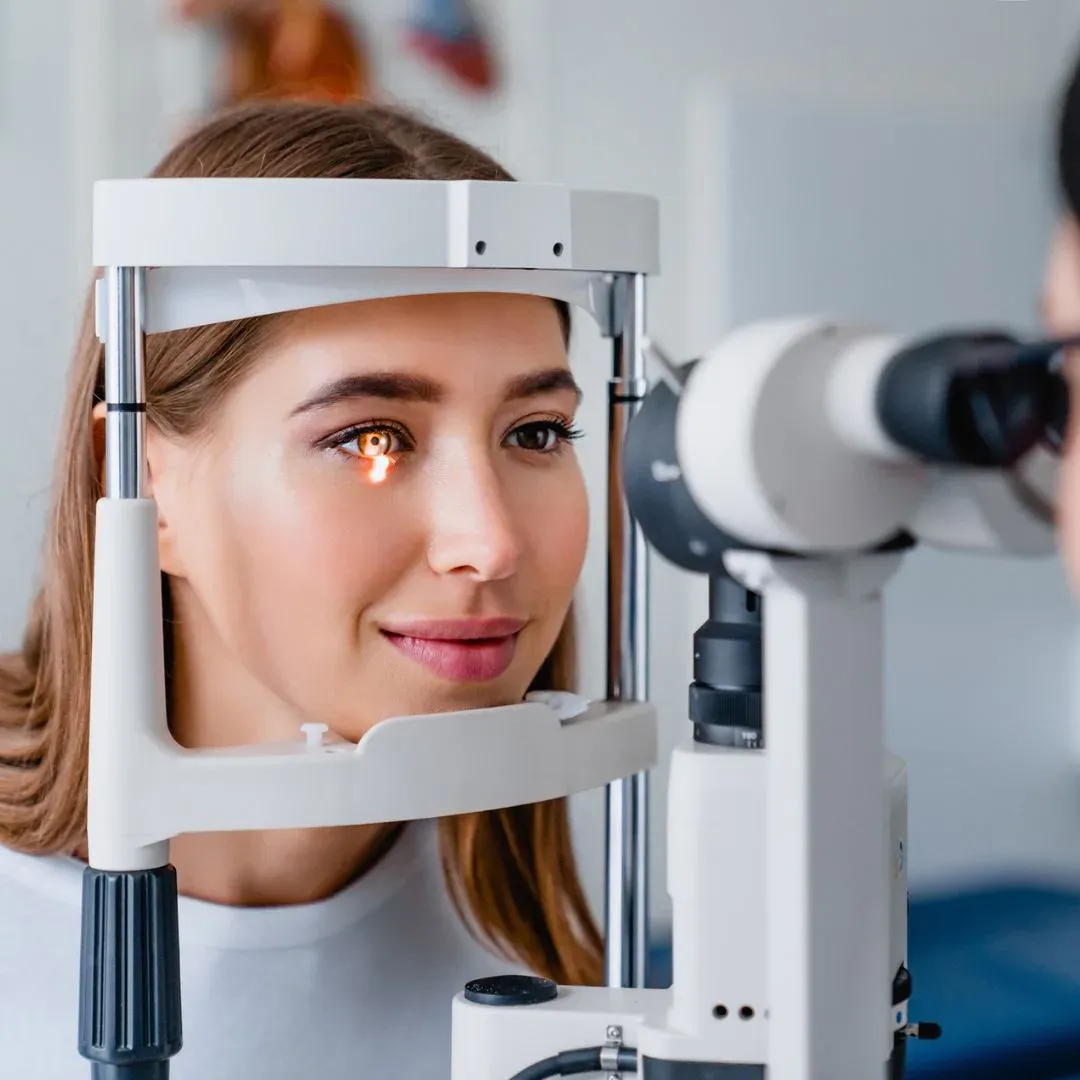
That is what the binocular vision assessment is for, and it is common. Headaches, tired eyes and difficulty reading can come from uncorrected refractive error, from dry eye, or from a binocular vision problem, and the three are treated differently. If the assessment finds dry eye, a treatment such as dry eye therapy addresses the tear film rather than eye coordination, and vision therapy would not help. If it finds uncorrected long-sightedness or astigmatism, glasses may resolve the symptoms on their own. Vision therapy is indicated when testing shows a measurable teaming or focusing deficit, not for eye strain in general. Being assessed before enrolling avoids paying for a program aimed at the wrong cause.
Vision therapy is a non-surgical and non-invasive program designed to improve visual skills and alleviate various vision problems through a series of personalized exercises and activities.
Adults and children with vision issues such as eye strain, lazy eye, double vision, or difficulties with reading and focusing may be good candidates for vision therapy.
Vision therapy can also help individuals with conditions/symptoms related to:
Amblyopia
Strabismus
Cerebral Palsy
Traumatic Brain Injury
Down Syndrome
Autism
Learning Disabilities
Dyslexia
Vision therapy can address a wide range of vision issues, including but not limited to eye teaming, tracking, focusing, depth perception, and visual-motor integration.
Step 1: Your optometrist will assess your needs and goals for vision therapy. Your optometrist will create a personalized plan to address specific vision issues.
Step 2: Your optometrist will give you a series of at-home/in-office exercises such as use of lenses, prisms and other vision tools to treat targeted issues.
Binocular Vision and Accommodative Evaluation: This evaluation involves testing for difficulties aligning both eyes and maintaining focus during near tasks such as reading or using a computer.
Visual Motor Testing: Assessing visual and fine motor skills used to identify issues such as messy handwriting, pencil grip, colouring between the lines, using scissors or rulers.
Visual Perceptual Evaluation: This focuses on how the brain processes visual information gathered by the eyes. It tests skills such as visual discrimination, visual memory and visual closure.
Laterality and Directionality Testing: This test provides insight into a child’s awareness between left and right. This identifies issues such as letter reversals, understanding directions, hand usage and navigation skills.
Visual Motion Hypersensitivity Testing: This treats patients who have suffered a concussion or experience heightened symptoms in visually stimulating environments. They test visual hypersensitivities.
The duration of vision therapy varies based on individual needs and the complexity of the vision issues. Typically, the program may last several weeks to months.
Recovery is gradual, with individuals experiencing improved visual skills over time. Most patients can resume normal activities immediately after each session.
Results can vary, but many individuals notice improvements in their visual abilities after a few weeks of consistent vision therapy sessions.
Results are often long-lasting, especially when individuals follow post-therapy recommendations and engage in maintenance exercises as prescribed.
The cost of vision therapy in Canada can vary between $175-$200. It is recommended to consult with a vision therapy specialist or the respective clinic for accurate pricing information.
Vision therapy is generally considered low-risk. However, individual experiences may vary. Potential side effects are typically minor and transient, such as temporary eye strain or fatigue. It is essential to discuss any concerns with the vision therapy specialist.