Rhinoplasty is a procedure that alters the appearance of the nose. Many people choose to undergo a rhinoplasty to change the appearance and shape of the nose, to improve breathing, or both. You can start here by finding a rhinoplasty surgeon on our site.
The average cost of a rhinoplasty procedure in Canada is between $5,000 and $15,000. After finding a qualified rhinoplasty surgeon, if you need help paying for the procedure, financing a nose job is easy with Beautifi. We’ll help you with affordable payments for financing rhinoplasty procedures on any budget.


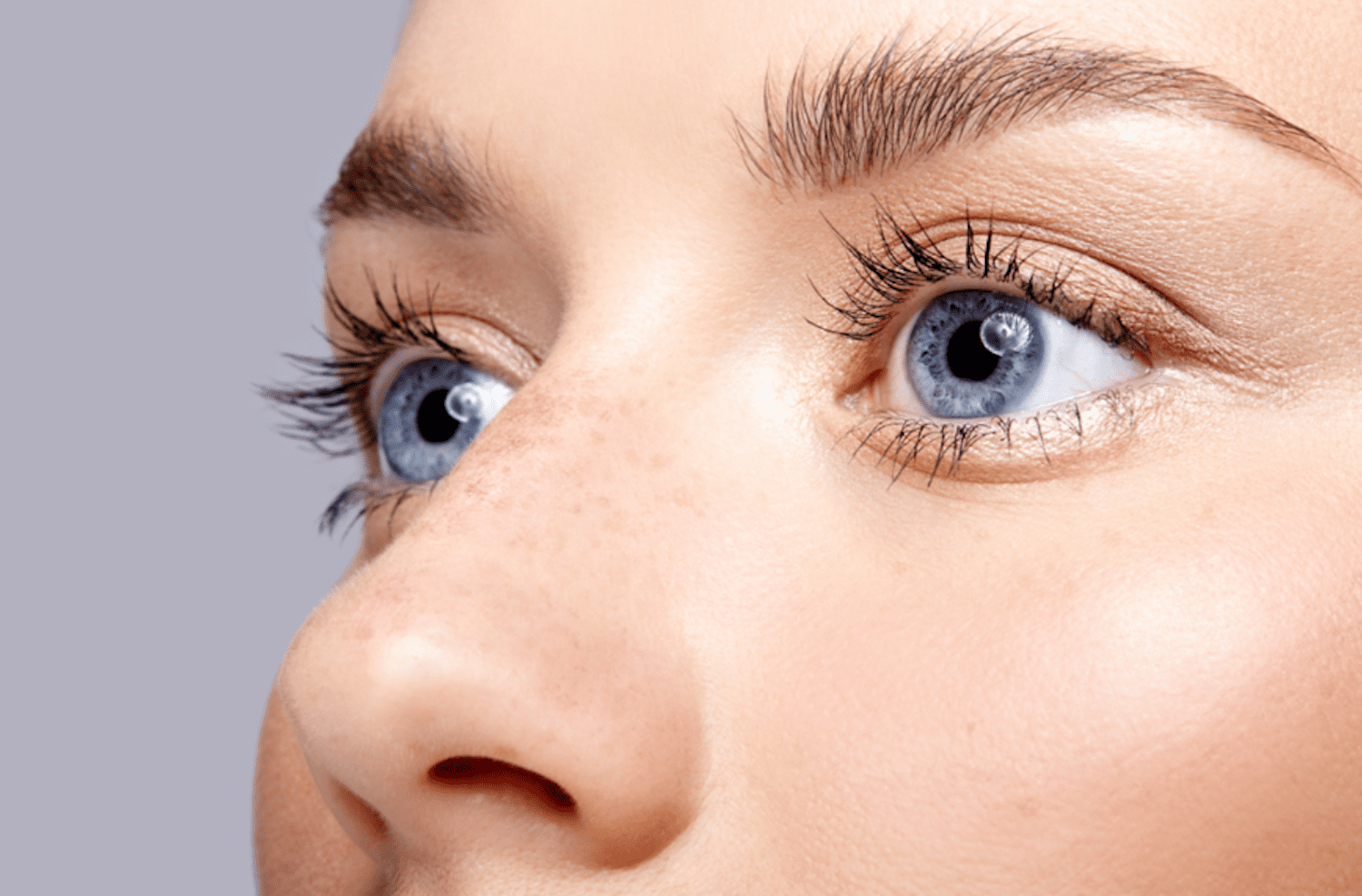
Rhinoplasty is a procedure that alters the appearance of the nose. Many people choose to undergo a rhinoplasty to change the appearance/shape of the nose, to improve breathing, or both.
Your healing process after a rhinoplasty will depend on a variety of factors, including your body’s natural healing rate, the type of rhinoplasty you have, and how closely you follow your surgeon’s aftercare guidance. Most rhinoplasties take up to one year to fully heal (though many patients feel comfortable and confident in their results around three or four months).
Taping your nose after rhinoplasty is an important part of your healing process. Forgetting to tape your nose after rhinoplasty can result in:
Additional swelling or bruising, which can result in the nose moving or becoming reshaped.
Greater risk of infection, as taping will help protect incisions from bacteria and contaminants during the healing process.
Delayed healing, prolonging the recovery process and creating additional discomfort.
While it may feel tedious, taping your nose after rhinoplasty is the best way to ensure that your body heals properly and your results are long-lasting.
After a rhinoplasty, your nasal bones will be tender and susceptible to shifting, especially during the first six weeks of recovery. You will want to avoid putting pressure on your nose as much as possible during this time to help maintain results.
Most surgeons recommend waiting between four to six weeks after a rhinoplasty to start wearing glasses again. If glasses are unavoidable, or if you’re unable to switch to contacts temporarily, here are some tips for how to safely wear glasses after a rhinoplasty:
Try to remove your glasses every few hours to help give your nose a break.
Use gel bandages or scar sheets to help protect your skin from irritation.
Opt for lightweight frames that minimize pressure on your nose.
Your surgeon may also recommend a special kind of support to minimize wear and tear on your nose while wearing glasses. Wearing a splint or even nose tape can help redistribute pressure and promote safe, effective healing while still wearing glasses.
Most surgeons recommend waiting at least four to six weeks, but this largely depends on your unique healing rate (and how well you follow post-surgery instructions). Once cleared, keep in mind that blowing your nose must be done gently, as your nasal passageway will be tender and sore. Blowing your nose sooner or too vigorously than recommended can interrupt the healing process, create additional swelling, or even put you at risk of bleeding from torn tissue.
Sleeping in the proper position after a rhinoplasty will have a significant effect on your rate of healing, as well as your overall comfort. The best sleeping position will be on your back, keeping your head well-supported and elevated. This will not only reduce swelling, but it will also promote better circulation and healing. Your surgeon will provide specific instructions on how to sleep, including how to use pillows to keep unnecessary pressure off of your nose.
Choosing to get a rhinoplasty is a highly personal and fulfilling decision, with significant long-term benefits to physical and emotional health. With that in mind, knowing how to protect the results of your rhinoplasty will help ensure you can enjoy your new nose for years to come! In the weeks following a rhinoplasty, you should avoid the following:
High-intensity exercise, such as aerobics, heavy weightlifting, or contact sports.
Washing your face with exfoliating or abrasive cleansers.
Blowing your nose or wearing glasses.
Nicotine and alcohol.
As your healing progresses, you can start to gradually – and safely – incorporate the above activities back into your routine. Your surgeon will work with you to determine the timeline that works best for your lifestyle and individual healing process to ensure your rhinoplasty results are truly long-lasting.
If you have a blocked nose (and haven’t been cleared to blow your nose yet), you can still safely remove sinus pressure or congestion after rhinoplasty. Use a saline nasal spray to help relieve irritation from allergens, or a neti pot to rinse and flush away mucus. Over-the-counter allergy medications can also be an effective way to keep your nasal passage clear and reduce congestion.
A rhinoplasty consult will start with getting a thorough understanding of your medical history, including any prior procedures and pre-existing conditions. Your surgeon will ask about your desired results, and discuss any potential complications or risks to consider, as well as what to expect during recovery. They will also conduct a detailed physical examination of the inside and outside of your nose to review bone structure and tissue health.
Finally, your surgeon may also take a series of pictures to track progress over time and lay the foundation for a before and after comparison. And of course, you should plan to come to your rhinoplasty consult ready to share any concerns or questions about the procedure to ensure you feel fully confident in the next steps.
There are several reasons someone chooses to get rhinoplasty surgery, such as to correct breathing problems, correct a birth defect, or because they’re unhappy with the appearance of their nose.
To fix a cleft lip or palate
Chronic sinus issues
Damage to face/nose
Increasing/decreasing the size of your nose
Changing the appearance of your nose
To be a candidate for rhinoplasty surgery, you must meet the following requirements:
Facial growth is complete (for women approx. 14 years old and men approx. 16 years old)
Be in overall good health – no serious medical conditions/illnesses
Non-smoker
Have realistic expectations
Step One – Anesthesia
Rhinoplasty is typically performed as an outpatient treatment with IV sedation or general anesthesia.
Step Two – The Incision
There are two types of rhinoplasty surgeries: open and closed. All incisions are done on the inside of the nose during a closed operation. The incision is made across the columella (fleshy portion between the two nostrils) during an open procedure.
Step Three – Reshaping the Nose
The skin is then gradually elevated through these incisions, providing access to reshape the nose’s structure.
A large nose will be reduced by removing cartilage, or sometimes a rhinoplasty may require additional cartilage grafts. The septum is frequently used to augment the nose with extra cartilage.
Step Four – Correcting a Deviated Septum (if applicable)
If the patient has a deviated septum, the surgeon will correct the septum and the internal structures of the nose to make breathing easier.
Step Five – Closing the Incision
The tissues are re-draped and stitched closed. If the patient wants nostril reshaping, this is done as the final stage of rhinoplasty.
Step Six – See the Results
Splints, gauze, and packing will support the nose as it heals, and then you will be able to see the final result.
Rhinoplasty usually takes from 1 to 2 hours to complete.
Recovery will vary from person to person. Your nose and eyes are generally bruised and swollen right after surgery. Your nose will be packed with gauze or splinted on the inside, and your nose will be covered with bandages on the outside to provide protection and support your new nose shape. This dressing will usually be kept on for one week.
Week 1: At the start of week one, you will not be able to breathe through your nose, and you may have some discomfort, bruising, and swelling. There will most likely be some bleeding and drainage from your nose on your dressing. By the end of the week, you will start to feel better, and your surgeon will examine your nose and remove your splint after doing so. After that, most patients feel comfortable returning to their normal activities.
Week 2: Most of your bruising and swelling should fade, but you will have to avoid strenuous activity and heavy lifting.
End of the Month: About a month after your surgery, you should look and feel recovered. There may be some swelling around the tip of your nose, but you should be able to see some results. At this point, you should be cleared to resume physical activity and wear glasses/sunglasses.
Month 2-3: Your nose will become much more refined, and the swelling will continue to decrease, but you should avoid any contact sports.
Month 6-12: You should be cleared to return to any contact sport. Usually, nasal swelling has gone at the 6-month mark for most patients, but definitely at the 12-month mark. So, by now, you should be fully healed (inside and out).
To lower the chances of increased bleeding or swelling after the completion of your rhinoplasty surgery, your surgeon may advise you to:
Avoid strenuous activities
Avoid showers and have baths instead
Not blowing your nose
Avoid extreme facial expressions
Brush your teeth gently to avoid movement of your upper lip
Avoid clothing that goes on over your head
Don’t wear sunglasses/glasses
Use SPF on your nose when in the sun
Don’t use ice packs on the nose to try to reduce swelling
One week following rhinoplasty, you should have a fair sense of the results of your surgery. However, you will be swollen, and fine details will be difficult to see. Usually, to see the final results of a rhinoplasty takes approximately 6-12 months.
Complications arising from a rhinoplasty are rare and, when they do occur, are usually minor.
As with any major surgery, rhinoplasty carries some risks such as:
Bleeding
Infection
Difficulty breathing through your nose
Permanent numbness in and around your nose
Uneven-looking nose
Pain, discoloration, or swelling
Scarring
Septal perforation
The price of rhinoplasty surgery will vary from patient to patient as the complexity of the procedure is different for everyone. However, the average cost of rhinoplasty surgery in Canada is between $5,000-$15,000.
At Beautifi, we’re committed to making aesthetic procedures like rhinoplasty more accessible. We understand that financing rhinoplasty can be a concern, and we’re here to help. Beautifi offers a payment plan for rhinoplasty, allowing you to spread the cost over a period of time that suits your budget. This makes your nose job more affordable by breaking down the expense into manageable monthly payments. Contact Beautifi today to learn more about our financing options and how we can assist you with your aesthetic journey.
When looking for the best rhinoplasty surgeon in Canada, it’s essential to consider their qualifications, experience, and patient reviews. With Beautifi, we simplify this process. Our platform provides a comprehensive list of verified doctors, including top-rated rhinoplasty surgeons in Canada. Beyond finding the right surgeon, we also offer a payment plan for rhinoplasty in Canada. This makes the procedure more affordable by breaking down the expense into manageable monthly payments. Trust Beautifi to guide you in finding the right surgeon and financial plan for your aesthetic journey.
7,437/8,154 people who have undergone rhinoplasty have rated the procedure “Worth It” (91%)
Source – Realself.com


 English English
  French