Liposuction is a surgical procedure that uses suction to remove excess fat. Although liposuction can remove unwanted fat, it is not an overall weight-loss method or treatment for obesity.
The average cost of a Liposuction procedure can run anywhere between $4,000 and $10,000. If you need help paying for the procedure, financing Liposuction is an option. Create a Liposuction payment plan with Beautifi to break down the cost into more manageable pieces. Liposuction monthly payments can be customized to fit any budget.


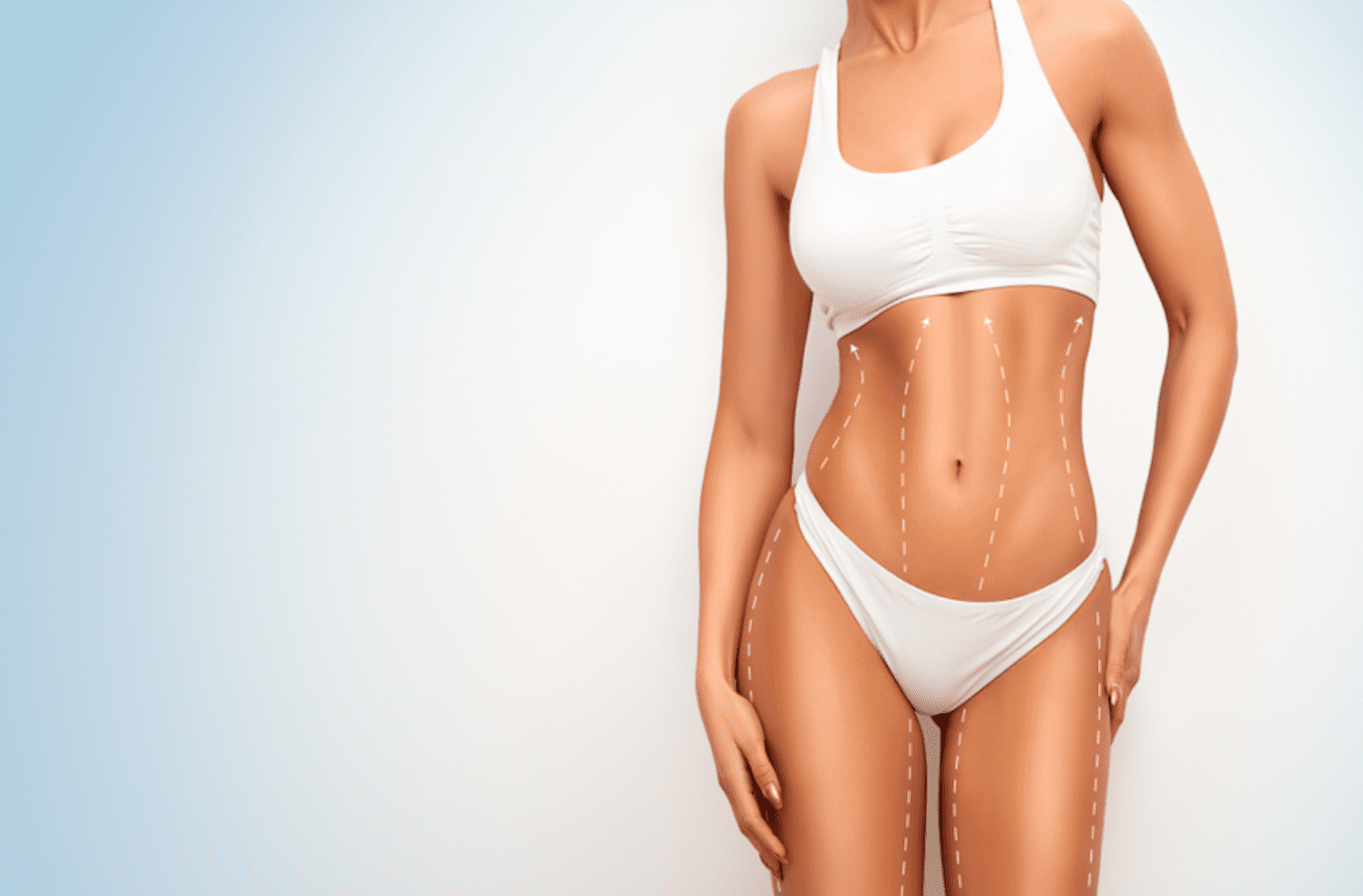


Liposuction is a surgical procedure that uses suction to remove excess fat. Although liposuction can remove unwanted fat, it is not an overall weight-loss method or treatment for obesity.
Liposuction breaks up and removes fat cells, which alters the body’s shape, but if the person does not follow a healthy lifestyle after receiving liposuction, there is a risk of the fat cells growing larger.
When weight is gained, fat cells increase in size and volume. Liposuction decreases the number of fat cells in a particular area, and the amount of fat extracted is determined by the area’s appearance and fat volume. The skin molds itself to the new contour of the treated area and is generally permanent, as long as your weight remains steady. However, liposuction does not remove skin irregularities such as cellulite and stretch marks.
Liposuction is a procedure that is used to remove fat from areas that have not responded to diet or exercise, such as:
Abdomen
Upper arms
Buttocks
Hips and thighs
Chin/neck
Chest
Back
Liposuction is a safe, effective way to remove stubborn fat cells from areas that don’t respond well to diet and exercise, such as the hips, abdomen, and thighs.
Your aftercare plan is designed not only to enable long-lasting results, but also to support your comfort and health following liposuction. As with any surgical procedure, patients should follow the proper aftercare instructions to avoid side effects like infection, bruising, swelling, and scarring.
The amount of liposuction you can get will depend largely on your current health, your treatment areas, and your desired results. Individual factors such as skin elasticity and the volume of fat in your specific treatment area will also help determine how much liposuction you can get in one session.
Keep in mind that most surgeons limit fat removal to between six to eight pounds per liposuction session. If your goal is to remove more than that, you may need to have several liposuction procedures scheduled (while leaving enough time for healing and recovery between each session).
You will not feel any pain during your liposuction, as you will be under general anesthesia for the duration of the procedure. While liposuction is not considered an overly painful recovery, you can expect to feel some tenderness or discomfort after your surgery. Your individual pain tolerance will certainly play a role, and many patients describe the post-op pain as feeling like their treatment areas are bruised.
Larger treatment areas (or procedures that include more than one treatment area) can cause greater discomfort – but most patients find that pain is manageable even with over-the-counter medication. Your surgeon may give you a prescription to help ease any pain or discomfort in the weeks after your liposuction.
If pain becomes unmanageable or feels more intense than expected, you should call your surgeon as soon as possible. They can help ensure that your body is healing properly, as well as determine if pain medication is needed.
Swelling is a natural part of the recovery process after liposuction, and your aftercare instructions will be designed to help keep swelling at a minimum. The most common tips for managing swelling include:
Wearing compression garments.
Applying ice packs or cold compresses.
Keeping treated areas elevated as much as possible.
Adjusting your sleeping position to minimize pressure on treated areas.
Drinking plenty of water throughout the day.
Decreasing the amount of sodium in your diet.
Getting plenty of sleep and rest during recovery.
Once your surgeon gives you the green light for exercise, gentle walking can decrease swelling by increasing blood flow. In some cases, a light massage can even help stimulate the lymphatic system and support better drainage.
You may be able to go back to work as soon as two weeks after your procedure – but some patients find that they need four weeks or more. Determining when you can go back to work after liposuction will depend largely on the type of work you do, the treated areas, and your unique healing rate. If your job is physically demanding, you may need to wait a little longer to ensure that your body has a chance to properly heal. Similarly, liposuction procedures that include multiple areas may require a longer recovery period.
Keep in mind that your body will be healing from a surgical procedure and it’s important not to rush the recovery process. Following your aftercare instructions will give your body its best chance to heal and help you return to work when you need to. Regular check-ins with your surgeon during the recovery process will help determine the timeline that works best for you to go back to work.
Although liposuction is not a weight loss solution, many patients do find that they lose a small amount of weight after their liposuction procedure. Because liposuction removes fat, the average patient loses between two to five pounds – though this primarily depends on the treatment areas, the amount of fat removed, and your aesthetic goals. The best candidates for liposuction will be at or near their goal weight, as liposuction is ultimately best used for shaping and contouring (rather than for significant weight loss).
A liposuction consult will start with getting a full picture of your medical history, including any pre-existing conditions, prior surgeries, allergies, and your overall health.
The surgeon will ask about your aesthetic goals and desired results, and will examine the areas to be treated to check for skin laxity, fat density, and muscle tone. They may even share before and after photos of similar patients to help you get a better idea of the type of results that you can realistically expect.
Your surgeon will also explain the different liposuction techniques and provide a detailed explanation of what to expect during the recovery process. At the end of your consult, you should feel confident in the surgeon’s ability, and be well-prepared to decide if liposuction is right for you.
Tumescent Liposuction: Liters of saline, local anesthetic, and epinephrine is pumped below the skin in the treated area. Small suction tubes are used to suction out the fat.
Ultrasound-assisted Liposuction (UAL): The cannula inserted through the small incisions is energized with ultrasound. The vibrations cause the fat cells’ walls to rupture, causing the fat to liquefy and be suctioned out. This method is used for areas such as the male breast, back, and anywhere in the body liposuction has been performed before.
Power-assisted Liposuction (PAS): This method uses a mechanized system that moves quickly back and forth, making it easier for the surgeon to pull out the fat.
Laser-Assisted Lipolysis (LAL): LAL is less invasive than the traditional liposuction method. A small tube is placed through a small incision to transmit laser energy and heat into the fat. After the fat has been treated, the surgeon will leave the small incisions open to drain fluid and blood from the body.
Your doctor may advise against liposuction if you:
Are overweight or obese
Have a severe illness/medical condition/illness
Have poor skin elasticity
Are bothered by cellulite
Step One – Anesthesia
Liposuction is performed under local anesthesia, intravenous sedation, or local anesthesia.
Step Two – The Incision
Small inconspicuous incisions are made in the area that is being treated
Diluted local anesthesia is infused to reduce bleeding/trauma.
A thin hollow tube (also known as a cannula) is inserted through the incision sites to loosen fat using a back-and-forth motion.
The fat is dislodged and then suctioned out of the body using a surgical vacuum (for larger areas) or a syringe attached to the cannula (for smaller areas)
Step Three – See The Results
The final result of your procedure will become apparent when the swelling and fluid retention subside
Liposuction normally takes one to two hours, depending on the area being treated. Usually, it is done as an outpatient procedure, meaning you do not have to stay overnight, and you can go home after your surgery is complete. However, if you are getting a considerable amount of fat removed, your surgeon may opt to keep you overnight for observation.
Day 1-3:
After your surgery, the surgeon will put elastic bandages or a compression garment around the affected area. These must be worn to help reduce swelling and contour your body into your new shape.
Depending on the method of liposuction used, you may have drains placed at each surgical site. These drains help remove any excess fluid around incision sites which causes healing to slow down. Your surgeon will give you directions on how to care for the drains and how long they will stay in place until they are removed.
There will be moderate pain and soreness for the first three days after surgery. Your surgeon will prescribe you pain medication in order to minimize your discomfort. Your activity should be limited, and you should rest during this time to help you heal. Your compression garment or bandages will most likely limit your movement as well.
Week 1-2:
By this time, there should be a reduction in pain and soreness. Many people return to work two weeks after receiving liposuction, but people with more physically demanding jobs may want to schedule more time off to recover.
Week 3-5:
There will be some swelling, but this is normal as swelling can take a couple of months to subside completely. There should be some visible results, but the result will improve as swelling and bruising heal. By this time, you should be able to resume light exercise but still avoid strenuous activity and any heavy lifting.
Week 6+:
Your bruising and swelling should have subsided, with minimal swelling remaining as it can take longer to heal. You should be able to remove any bandages or compression garments, and your activity levels will no longer be restricted to just light activity. In addition, you should be able to see the final results of your liposuction surgery.
It can take up to a full year after surgery before you notice the final liposuction results. How long it takes before you see results varies from patient to patient. Some people see a dramatic improvement by three or six months after their procedure.
Liposuction permanently removes fat cells from the body. However, fat can return after the procedure. It is up to the patient to maintain their weight after their surgery. For example, A patient weighs 150 pounds before their procedure and has a total of 7 pounds of fat removed; the fat will stay away if the patient maintains a weight of 143 pounds or below.
If the patient gains a small amount of weight after the procedure, approximately 6 pounds, the fat cells will get a little bigger and diminish the results of the procedure. However, the overall improved body shape will still be visible as the treated areas have fewer fat cells compared to untreated areas.
New fat cells can form in the treated areas of the body if there has been significant weight gain. In addition, new fat cell creation typically occurs evenly throughout the body. As a result, fat accumulates in the areas that have not been treated by liposuction rather than the areas that have been treated by liposuction. Therefore many patients who gain weight after liposuction still appear better than they would if they had not had liposuction.
The cost of your procedure will be determined by the number and size of areas being treated. Costs typically range between $10,000 for larger areas and $4,000 for smaller areas, but your surgeon will be able to provide you with a precise estimate.
If you need help financing Liposuction procedures, Beautifi can help you create a Liposuction payment plan to work with your budget. Use our loan calculator to see what your Liposuction monthly payments will look like.
At Beautifi, we understand that the cost of liposuction can be a significant factor in your decision to go ahead with the procedure. That’s why we offer options for a liposuction payment plan, designed to make the process more affordable. By breaking down the cost into manageable monthly payments, we help ensure that finances don’t stand in the way of your goals. Contact us today to learn more about how we can assist you with financing liposuction in Canada. We’re here to help make your aesthetic journey as seamless and stress-free as possible.
Any major surgery involves the potential risk of bleeding, infection, and a negative reaction to the anesthetic. Some possible risks, side effects, or complications include:
Severe bruising
Inflammation and possible oozing from incisions
Numbness in the treated areas
Thrombosis – formation of blood clots in veins, causing inflammation
Contour irregularities – poor skin elasticity, uneven fat removal, and unusual wound healing can cause the skin to appear withered, wavy, or bumpy
Kidney and heart problems – fluids being injected can change the body’s fluid levels and can increase the risk of kidney and heart problems
Pulmonary embolism – fat gets into the blood vessels and travels to the longs and blocking circulation
Pulmonary edema – fluid accumulation in the lungs
Skin burns – the movement of the cannula may cause friction burns to the skin and nerves
2,742/3,123 people who have undergone liposuction have rated the procedure “Worth It” (88%)
– Source: realself.com
 English English
  French