Injectable filler is a soft tissue filler injected underneath the skin at different depths to restore volume, smooth out wrinkles, soften creases, and enhance facial contours. Lip filler injections and brow filler injections are two of the most popular areas in which individuals get injectable filler. Body filler injections and breast filler injections can also be used to restore volume in the body without undergoing a surgical procedure.


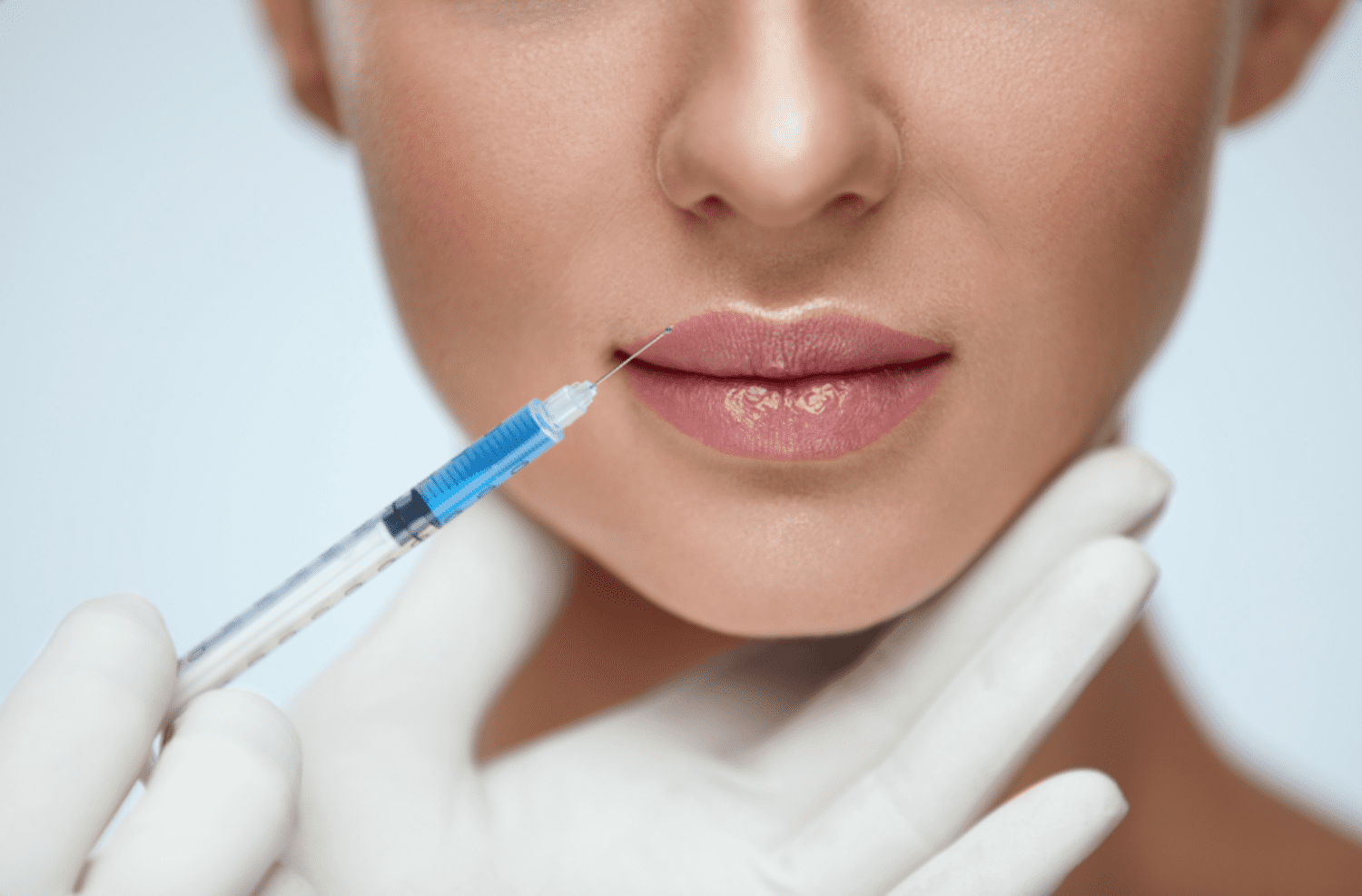


Injectable filler is a soft tissue filler injected underneath the skin at different depths to restore volume, smooth out wrinkles, soften creases, and enhance facial contours.
There are many substances used to create injectable filler, such as:
Calcium hydroxylapatite (a compound found in bones)
Hyaluronic acid (found naturally in the body and provides plumpness to the skin)
Polyalkylimide (a transparent gel)
Polylactic acid (stimulates the skin to create collagen)
Polymethyl-methacrylate microspheres (a semi-permanent filler)
Each substance is used to treat different signs of aging and other cosmetic issues.
The length of time that your filler lasts can vary and will depend on a variety of factors, including:
Injection depth. Fillers that are injected deeper into the skin will naturally last longer, like fillers used to address volume loss in the forehead, temples, or cheeks.
Location. Areas that tend to have more movement (like the lips) tend to break down fillers quicker than areas with less movement (like the forehead or temples).
Amount of filler. The amount of filler used also plays a role in how long results last: one syringe will break down quicker than two syringes, for example.
Metabolism. Patients with a higher metabolic rate may find that their filler breaks down quicker than patients with a slower metabolism.
Frequency of treatment. Routine filler treatment can help support long-lasting results in a specific area.
The type of filler. The most common kind of filler is hyaluronic acid (HA), which typically lasts anywhere between six to eighteen months. Other fillers, such as CaHA, PMMA, or PLLA fillers may last longer or less, depending on the location and depth of injection.
Additional factors that contribute to how long results last can include brand, formulation, desired results, and your unique lifestyle. And even sun exposure, skincare routine, or stress can all impact how long your injectable fillers last.
Injectable fillers are a safe, effective, and fulfilling way to restore lost volume – but as with any procedure, the best results take a little bit of patience and time. While you may see results immediately, most filler takes between one to two weeks to settle. In some cases, you may need to wait up to four weeks for filler to fully break down, bind with water molecules, and blend with surrounding tissue.
Choosing the right practitioner will go a long way in preventing filler injection. The best and most important step is to ensure that your practitioner is properly licensed and certified, with plenty of practice and proven results. An experienced practitioner will use precise techniques to minimize risk of filler migration and help you choose the right filler to meet your goals.
Along with improper application, filler migration can often occur from adding more filler than needed. While it’s tempting to request more filler to see dramatic results on a shorter timeline, overfilling can overwhelm your tissue and cause filler to migrate to other areas. For best results, follow the recommended injection dosage to ensure that your filler stays exactly where you want it to.
Getting injectable fillers is a minimally invasive procedure, and most patients find that pain is very minor and feels like a small sting or pinch. To make the procedure as comfortable as possible, your practitioner will apply a numbing lotion, spray, or cream onto the treatment area beforehand.
After getting injectable fillers, it’s common for patients to feel some tenderness along the injection site, along with minor swelling and bruising. This should resolve on its own within a few days, and can be easily managed with a cold compress and over-the-counter pain relievers.
Each injectable filler procedure is unique to the treatment area, desired results, and your unique facial composition. While one to two syringes per treatment area is common, you may require more (or even less) to achieve your goals for enhancement, restoring lost volume, or minimizing lines.
Your practitioner will consider all of these factors to help determine how much injectable filler you need. Keep in mind that starting with a smaller syringe (and adding more later on) is recommended to help minimize filler migration and fine-tune results over time.
Injectable fillers should only be administered by a licensed medical professional with extensive knowledge and proven experience in the field. This could include a board-certified plastic surgeon, cosmetic dermatologist, a licensed nurse practitioner, or a physician assistant. For your safety and health, you should never attempt to inject yourself with injectable fillers.
Injectable fillers are, by design, meant to be non-permanent and will eventually be broken down or absorbed by surrounding tissue. This means that you’ll need to routinely have additional injections – but how often will depend on a variety of factors. The type of filler, the injection site, your desired results, and even your metabolism can all impact your injection schedule.
Your practitioner will create a customized treatment plan that takes all of these factors into account to ensure your results are long-lasting and that upkeep is as manageable as possible. You may need a touch-up on injectable filler if you notice things like visible lines, loss of volume, asymmetry, or changes in skin texture.
An injectable filler consult is designed to get a thorough understanding of your medical history, skin composition and elasticity, desired results and target areas, as well as your unique facial structure. As part of a medical history review, your practitioner will ask about any allergies, medications, or pre-existing conditions to help determine whether you are a candidate for injectable filler.
You can also expect a full examination to review existing wrinkles, skin elasticity, muscle definition, and facial contours. This helps identify the best injection sites for effective and long-lasting results. Your practitioner may also take pictures to create a starting point for progress checks along the way.
You may be a good candidate if you:
Are physically healthy
Don’t smoke
Are bothered about sagging skin, wrinkles, and creases
Are committed to maintaining good skin health
With a cannula or needle, the filler is injected into target areas of the face. The filler, which has a gel-like consistency, plumps the skin from the inside, replacing lost fat and proteins to smooth out wrinkles and fill hollow regions.
There are different types of filler substances, which means some are temporary, and some are longer lasting. Brands such as Sculptra, Ellanse, and Radiesse work by filling out fine lines/wrinkles and stimulating your body to create more collagen. These fillers normally last for a year or more.
Brands like Juvéderm, Belotero, and Restylane (hyaluronic acid fillers) are the most popular and usually the most used. Hyaluronic acid is a naturally occurring substance in the human body and has huge hydrating properties. This filler is the most used as it is temporary and lasts approximately six to eighteen months, depending on the brand and where it is injected.
The good thing about these fillers is that if anything goes wrong, or you simply do not like the result, hyaluronic acid-based fillers can be dissolved by an enzyme called hyaluronidase. As well as this filler’s ability to be dissolved, due to the water-loving nature of hyaluronic acid, it attracts and draws in water from the air, which keeps your skin moisturized, creating a plump and fuller appearance.
Step 1 – Facial Assessment
If you opt for injectable filler, your doctor will evaluate your facial appearance and skin tone, as well as the areas of your face that will be augmented. In addition, photographs may be taken of areas to be treated.
Step 2 – Cleansing and Anesthetizing
An antiseptic wipe will be used to clean the injection sites. Pain may be alleviated by using a cold instrument to chill the skin or an anesthetic ointment to numb the skin.
Step 3 – Clean up and Recovery
To minimize swelling, you may be given an ice pack to place on the injection sites. The area injected may feel tender for a day or two but is usually not painful enough to require medication.
There are various types of injectable fillers, each with its own unique properties and uses. Here’s a breakdown of some common types:
Hyaluronic Acid (HA) Fillers:
Description: Hyaluronic acid is a natural substance found in the body that helps maintain skin volume and hydration. HA fillers are among the most popular and versatile.
Brand Names: Restylane, Juvederm, Belotero, and others.
Common Uses: Softening facial wrinkles, adding volume to lips, cheeks, and under-eye areas.
Calcium Hydroxylapatite (CaHA) Fillers:
Description: CaHA is a mineral-like compound found in bones. When used in fillers, it provides structure and stimulates collagen production.
Brand Names: Radiesse.
Common Uses: Treating deeper lines and wrinkles, enhancing facial contours.
Poly-L-lactic Acid (PLLA) Fillers:
Description: PLLA is a biocompatible synthetic substance that stimulates collagen production over time.
Brand Names: Sculptra.
Common Uses: Treating facial fat loss, particularly in the cheeks, and improving skin texture.
Polymethyl Methacrylate (PMMA) Fillers:
Description: PMMA is a semi-permanent filler containing tiny microspheres that provide support and structure.
Brand Names: Bellafill.
Common Uses: Filling deep wrinkles and adding volume to the face.
Autologous Fat Injections:
Description: This involves harvesting fat from one part of the body (often through liposuction) and injecting it into another area.
Common Uses: Restoring volume to the face, filling wrinkles.
Collagen Fillers:
Description: Collagen-based fillers were among the first to be used. However, they are less common today due to the advent of more advanced options.
Common Uses: Softening facial lines and wrinkles.
It’s important to note that the longevity of results varies among fillers. Some are temporary and may last six months to a year, while others can be semi-permanent or longer lasting. The choice of filler depends on the specific goals, the area to be treated, and individual patient preferences. Additionally, the safety and efficacy of fillers depend on the skills and experience of the practitioner performing the procedure. Always consult with a qualified and experienced healthcare professional before undergoing any cosmetic procedures.
The Elevens: The lines and creases in between the eyebrows. These lines are made from frowning, sleeping on your face (or on one side of your face), and sun damage.
Tear Troughs: Aging causes fat loss in our faces, especially in the area under the eye in the “tear trough.” Injecting this area will add volume and reduce the look of deep, hollow under eyes.
Cheeks/cheekbones: One of the most popular areas treated with filler is the cheeks. Fillers will plump up this area as well as make the cheekbones appear more sculpted and prominent.
Lips: Another popular area to be treated with filler is the lips. Lip filler injections will boost volume for plumper, younger-looking lips. It can also provide contour and symmetry for those with a thin upper lip.
Chin Wrinkles: Age and sun damage can cause the chin muscles can cause the bottom of the face to wrinkle (often referred to as “orange peel”). Fillers can smooth out this area and are often combined with Botox to relax the muscles and avoid worsening the creases/wrinkles.
Nose: A new technique is now used with filler to create a “non-surgical nose-job.” Patients with small bumps on the bridge of the nose can be filled to create a more smooth and straight nose shape.
How long the procedure takes depends on the area being treated and if topical numbing cream is applied. On average, it takes five to 30 minutes per area.
Injectable fillers are instant, so you will be able to see visible results immediately after treatment. Depending on which filler you get, it can take up to four weeks to fully integrate into the tissue. However, there is initial swelling in the treated area after injecting that can last up to two weeks.
The cost of injectable fillers in Canada can vary widely based on factors such as the type of filler used, the amount required, and the expertise of the practitioner. On average, prices can range from $400 to $800 per syringe.
Injectable fillers rarely cause serious problems. The following are some of the potential dangers, which vary depending on the type of filler used:
Acne-like skin eruptions
Bleeding
Bruising
Swelling
Infection at the injection site
Lumps
Skin rash
Under or over correction of wrinkles
Damage to the skin
Skin necrosis (ulceration or loss of skin from disruption of blood flow)
Injectable fillers in Canada are a popular non-surgical cosmetic procedure that can smooth wrinkles, enhance facial contours, and restore volume. Many patients find them to be a cost-effective solution for immediate and noticeable results with minimal downtime.
507/538 people who received injectable filler rated the treatment “Worth It” (94%)
– Source: Realself.com
 English English
  French