Breast reduction surgery, also known as Mammaplasty, is used to remove excess fat, tissue, and skin from the breasts. Many women with large breasts choose to undergo this procedure as it may ease any discomfort from having large breasts or achieve a more proportionate breast size for their body.


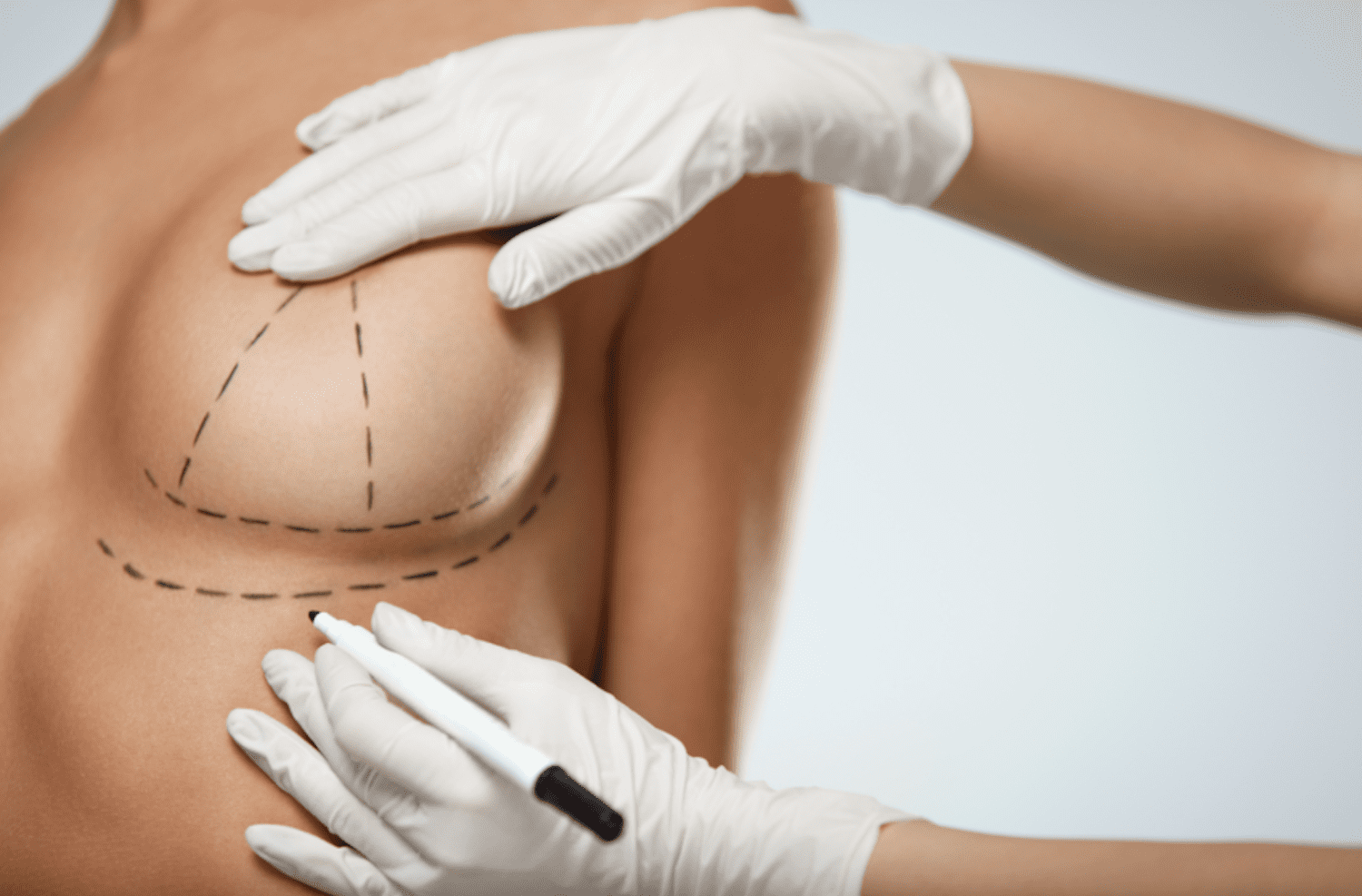


Breast reduction surgery, also known as Mammaplasty, is used to remove excess fat, tissue, and skin from the breasts. Many women with large breasts choose to undergo this procedure as it may ease any discomfort from having large breasts or achieve a more proportionate breast size for their body.
Breast reduction surgery is performed to resolve many issues such as:
Chronic back, neck, and shoulder pain
Nerve pain
Restricted activity
Poor self-image that is related to enlarged breasts
Difficulty fitting into bras and clothing
Chronic rash/skin irritation under both breasts
You will be under general anesthesia during your breast reduction and will not feel any pain in the procedure. During your recovery, you can expect to feel some soreness, and discomfort as your sutures heal. Your surgeon will prescribe pain medication to ease the recovery process, along with detailed aftercare instructions to manage swelling and tenderness.
While there is some pain associated with breast reduction, many patients say that the relief from less weight on their chest, shoulders, and back significantly outweighs any postoperative discomfort.
There is no specific weight restriction for breast reduction, though some surgeons may want to consider Body Mass Index (BMI) as part of their evaluation. Patients with a significantly high BMI may be asked to lose weight beforehand to help minimize complications during breast reduction. Your surgeon will look at a variety of factors alongside your weight to help determine if you are a candidate for breast reduction, including pre-existing conditions and overall health.
Most women typically find they can go down one or two cup sizes through breast reduction. The number of cup sizes you can go down with with a breast reduction is highly individualized and depends on the amount of available breast tissue that can be removed. Your surgeon will recommend the reduction that is right for you based on your current breast composition, size, proportions, and your desired results.
You may be denied a breast reduction if:
You are pregnant, breastfeeding, or recently stopped breastfeeding
You have a history of poor wound healing
You have an abnormal mammogram/undiagnosed breast condition
You smoke
You are severely obese
You have a severe health condition, illness, or infection
Your surgeon will provide specific preparation guidelines for you in advance of your breast reduction surgery. While there may be some differences depending on your unique procedure, general guidelines include:
Stop smoking. If you smoke, you will need to quit at least four weeks before your breast reduction surgery, as nicotine will impair the healing process and increase your risk for complications.
Create a recovery plan. Your movement will be significantly limited after your breast reduction. You should plan to have someone help you with household chores and driving while recovering. Stocking up on essentials before your surgery is also recommended to make your recovery as seamless as possible.
Eat a well-balanced diet. In the weeks leading up to your surgery, keep to a healthy diet of lean protein, fruits, vegetables, and whole grains. Try to avoid fried, overprocessed, or overly fatty foods as much as possible.
You may also need to stop taking certain medications, as well as fast food or water, before breast reduction. Make sure to follow your surgeon’s instructions carefully, both before and after breast reduction surgery.
Your breast reduction consult will start with a comprehensive overview of your medical history, including any pre-existing conditions, prior surgeries, allergies, current medications, or even past mammogram results. The surgeon will ask about your goals for breast reduction and will conduct a physical examination to review skin elasticity, breast tissue, and volume. They may also take measurements and photos to help establish a point of reference for breast reduction results.
During your consultation, you will have an opportunity to ask any questions about the procedure. A consult is designed to be a transparent conversation about what to expect from recovery, as well as any potential risks or complications. To get the most out of your breast reduction consult, come prepared to speak candidly about any concerns, questions, and aesthetic goals.
Step 1: Anesthesia
Before your procedure, your doctor will recommend the best choice of anesthesia for you. The options are intravenous sedation and general anesthetic.
Step 2: The incision
There are three types of incisions made when undergoing breast reduction surgery. These options include a circular pattern around the areola (donut incision), an incision around the areola and vertically down to the breast crease (Lollipop incision), and an inverted T-shape incision (anchor incision).
Step 3: Removing tissue and repositioning the breast
The nipple is repositioned after the incision is made, and the areola is then reduced by trimming around the edges (if necessary). The breast tissue is then reduced, lifted, and shaped.
The nipple and areola may need to be removed and transplanted to a higher place if the breasts are extremely large.
Step 4: Closing the incision
Sutures, skin adhesives, and/or surgical tape are used to hold the incisions together to create a smaller breast. Incision lines are permanent, but in the vast majority of cases, they diminish and improve over time.
Step 5: Enjoy the results
The results of your procedure are usually visible immediately. There will be some swelling and visible scarring, but these will fade over time.
On average, the entire procedure takes around 2-5 hours to complete. Therefore, it usually does not warrant an overnight stay, and you can go home once your surgery is done, although you will not be able to drive, and you will need a family member or friend to take you home. That person should also plan on spending time with you at home to ensure you’re comfortable for the first one or two nights.
Every patient responds differently to surgery, so it is difficult to give an exact timeframe on how to recover from undergoing your breast reduction surgery. However, a rough guide to how your recovery may go is as follows:
Day 1: You will have bandages around both breasts, and you will be placed in a post-op bra – this will keep you comfortable and support your breast tissue as it heals. This bra is to be worn 24 hours a day except when showering. Using ice packs will reduce your swelling after surgery as well.
Week 1: You will need to take time off work in order to let your body rest and heal correctly. Depending on your body, you may be able to return to light work or a desk job a couple of days after surgery.
Month 1: After approximately 7-10 days, most of your pain and swelling should subside. Any tightness you felt in your breasts after surgery should also have lessened. Clothing choices will also become important during this first month. Soft undergarments and loose clothing will be more comfortable throughout the healing process and prevent motion-induced strain.
By the one-month mark, incisions will also have healed, and your freedom of movement will have returned. Toward the month’s end, you’ll likely be ready to start low-impact exercise.
As you recover from breast reduction surgery, you can expect to need help with many daily tasks, as your movement will be significantly limited. Someone should be there to help you with driving, running errands, cooking, cleaning, and even personal care like getting dressed and bathing. Depending on your body’s natural healing process, you may find getting up and sitting down without help challenging.
You should plan to take at least a week or two off of work to ensure that you can focus fully on healing. Follow your surgeon’s post-op instructions closely to give your body the best chance at recovery after a breast reduction. Most importantly, listen to your body: don’t push yourself into activity too soon, and rest when you feel uncomfortable or fatigued.
Your breast reduction surgery results are considered permanent. However, due to pregnancy and weight gain or loss, the breasts may grow larger or lose their shape.
You can help make your breast reduction results last by making thoughtful adjustments to your lifestyle and habits over time. Your surgeon will provide customized recommendations based on your procedure, and may include:
Wearing a well-fitting bra to give your breasts the proper support.
Moisturizing your chest area to boost skin elasticity and scar healing.
Maintaining a healthy weight and avoiding significant fluctuations.
Exercising at least three days of the week to maintain muscle tone.
Eating a healthy, well-balanced diet.
Drinking plenty of water to keep your body and skin hydrated.
Limiting consumption of alcohol and quitting smoking.
Yes, you can still breastfeed after a breast reduction – though it can be more challenging, depending on the incision sites and surgical techniques. Some women experience minor nerve damage that can impact lactation and nipple sensation and may need to supplement with formula. Be sure to discuss any breastfeeding plans with your surgeon in advance so that they can help minimize any adverse side effects.
The cost of a breast reduction surgery in Canada ranges greatly depending on the procedure’s scope and what province the procedure is performed in. A consultation with your surgeon will be able to give you an exact price for your procedure. In Canada, a breast reduction procedure costs between $8000 and $11,000 on average.
Breast reduction surgery carries the same risks as any other major surgery, but there are a few additional risks to consider:
Bleeding
Bruising
Scarring
Infection
Loss of sensation in nipples and/or skin around the nipples
Difficulty or inability to breastfeed
Asymmetrical breasts
1634/1688 people who have undergone a breast reduction have rated the procedure “Worth It” (97%)
– Source: realself.com
 English English
  French