
Introduction
Hair loss can affect confidence, self-esteem, and overall quality of life. Fortunately, advances in hair transplant surgery have made it easier than ever for Canadians to restore a fuller, natural-looking head of hair. Whether you're just beginning your research or actively considering a procedure, this guide covers everything you need to know — from costs and techniques to recovery and finding the right surgeon.
Why Choose Hair Transplant Surgery?
Hair transplant surgery offers a permanent, natural solution to hair loss. Unlike temporary fixes such as wigs or topical treatments, transplants use your own hair to restore thinning or bald areas. Modern techniques deliver highly realistic results with minimal scarring, making it a popular choice for men and women across Canada. As societal acceptance of cosmetic procedures grows, more people are investing in hair restoration to boost their confidence and feel like the best version of themselves.
Types of Hair Transplant Procedures
When considering hair transplant surgery, it's important to understand the two main techniques used today: FUT (Follicular Unit Transplantation) and FUE (Follicular Unit Extraction). Each method offers unique advantages and considerations depending on your individual needs, hair type, and goals.
FUT (Follicular Unit Transplantation)
FUT, also known as the "strip method," is one of the oldest and most established techniques in hair restoration surgery.
How it works:
The surgeon begins by removing a thin strip of scalp from the back or sides of your head, where hair is naturally more resistant to balding. This strip is then carefully dissected under a microscope into individual follicular units, each containing one to four hairs. These units are meticulously transplanted into thinning or bald areas, following the natural hair growth pattern to create seamless, realistic coverage. The donor area is closed with fine sutures, leaving a thin, linear scar that is typically concealed by the surrounding hair.
Pros:
- Can harvest a large number of grafts in a single session, making it ideal for patients with extensive hair loss.
- Often slightly more cost-effective compared to FUE for large cases.
- Grafts harvested through FUT may be slightly more robust, with a higher survival rate.
Cons:
- Leaves a linear scar, which could be visible if you prefer very short hairstyles.
- Slightly longer recovery period compared to FUE.
- Potential for minor discomfort or tightness at the donor site during healing.
Best for:
Patients who require a large number of grafts or are less concerned about having a small scar hidden within their hair.
FUE (Follicular Unit Extraction)
FUE has become the most popular hair transplant technique in recent years, largely because it offers a less invasive approach with minimal visible scarring.
How it works:
Individual follicular units are extracted directly from the donor area using a tiny punch tool, typically measuring between 0.7 and 1.0 millimeters in diameter. Because this method does not require stitches or large incisions, it leaves only minimal, dot-like scarring. Each extracted follicle is then meticulously transplanted into thinning or bald areas, carefully following the natural hair growth pattern to achieve a seamless, natural-looking result.
Pros:
- Virtually no visible scarring — just small, dot-like scars that are barely noticeable even with short hair.
- Faster recovery time compared to FUT.
- Minimal discomfort post-surgery.
- Allows greater flexibility with hairstyles after healing.
Cons:
- Generally more time-consuming than FUT, especially for large areas.
- May be more expensive on a per-graft basis.
- Not every patient is an ideal candidate, especially if the donor area is weak or thin.
Best for:
Patients who prefer shorter hairstyles, are seeking a less invasive option, or want a quicker return to normal activities.
How Much Does Hair Transplant Surgery Cost in Canada?
The average cost of hair transplant surgery in Canada ranges from $5,000 to $18,000. Costs vary based on:
- Number of grafts needed
- Technique used (FUE tends to be slightly more expensive than FUT)
- Surgeon expertise and clinic reputation
- City or province
Many clinics offer pricing by graft count, with an average of $3 to $8 per graft.
Financing Options:
Elective procedures like hair transplants are often not covered by insurance. Fortunately, companies like Beautifi offer flexible monthly payment plans, making hair restoration more accessible without the need for upfront payment.
How to Choose the Right Surgeon
Choosing the right surgeon is crucial for achieving the best possible results. Look for:
- Board Certification: Ensure the surgeon is certified and specializes in hair restoration.
- Patient Results: Review before-and-after galleries.
- Consultation Process: A reputable surgeon will assess your needs thoroughly and set realistic expectations.
- Transparent Pricing: Watch for clinics that clearly explain their fees without hidden costs.
Don't be afraid to ask questions about experience, success rates, and recovery details during your consultation.
What to Expect: Before, During, and After Surgery
Before Surgery
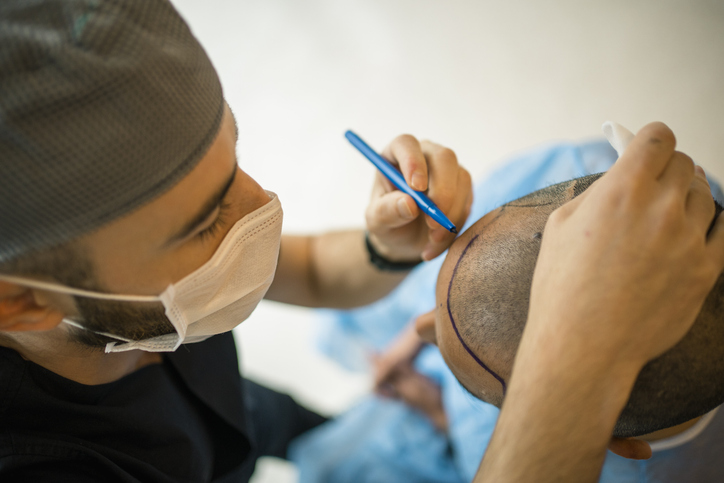
You'll undergo a consultation to determine the cause of hair loss, assess your scalp, and design a treatment plan. Pre-op instructions may include avoiding certain medications and alcohol.
During Surgery
The procedure typically lasts 4 to 8 hours, depending on the number of grafts. Local anesthesia is used, meaning you'll be awake but comfortable.
After Surgery
- First Week: Expect mild swelling and redness. Small scabs will form at the transplant sites.
- First Month: Transplanted hair may shed temporarily — this is normal.
- 3–6 Months: New hair growth becomes visible.
- 12–18 Months: Full, natural results are typically achieved.
Following your surgeon’s aftercare instructions is critical for optimal results.
“A hair transplant isn’t just about restoring hair—it’s about restoring confidence. Patients often ask what to expect, and the answer is simple: natural, permanent results that evolve over 12 to 18 months. At Toronto Hair Transplant Surgeons, we combine surgical precision with artistic design to ensure every transplant looks seamless and age-appropriate.” - Dr. Jonathan Huber, Hair Transplant Surgeon at Toronto Hair Transplant Surgeons.
Risks and Considerations
Hair transplant surgery is generally safe when performed by qualified professionals, but like any surgical procedure, it carries some risks.
Potential complications include:
- Temporary swelling, redness, or numbness at the donor or transplant sites
- Minor infections (rare with proper aftercare)
- Scarring or unnatural-looking hair growth if performed by an inexperienced surgeon
- Folliculitis (inflammation of hair follicles) during healing
Fortunately, serious complications are rare, especially when you choose an experienced and board-certified surgeon. You can read more about the potential complications of hair restoration surgery in this peer-reviewed study.
Following your surgeon’s aftercare instructions carefully is essential to minimize risks and achieve the best possible outcome.
Financing Your Hair Transplant Surgery
Hair transplant costs can feel intimidating upfront, but financing options can make it easier to move forward. Beautifi, for example, offers tailored financing solutions for Canadians seeking hair restoration. With affordable monthly payments, you can achieve your hair goals without financial strain.
Applying is simple, fast, and won't impact your credit score — allowing you to move forward with confidence. You can also estimate your payments using our free loan calculator tool.
Final Thoughts
Hair transplant surgery has transformed the lives of countless Canadians struggling with hair loss. Thanks to advanced techniques, experienced surgeons, and flexible financing options, achieving a fuller, natural-looking head of hair is more accessible than ever. If you're ready to take the first step toward restoring your confidence, start by scheduling a consultation with a trusted hair transplant specialist.