Clitoral hood reduction, also called hoodoplasty, trims excess folds of skin covering the clitoris to reduce bulk or irritation. It is an outpatient procedure, usually performed under local anaesthetic with sedation, and takes under two hours. The surgeon reshapes the hood skin only, leaving the clitoris and its nerve supply untouched.
It is most often carried out at the same time as a labiaplasty, because the two areas sit together and treating one alone can leave the contour looking uneven. Most people take about a week off work and avoid strenuous exercise for four to six weeks. Comfort, sensation and appearance differ from patient to patient, so a consultation with a surgeon experienced in genital surgery is the right next step.


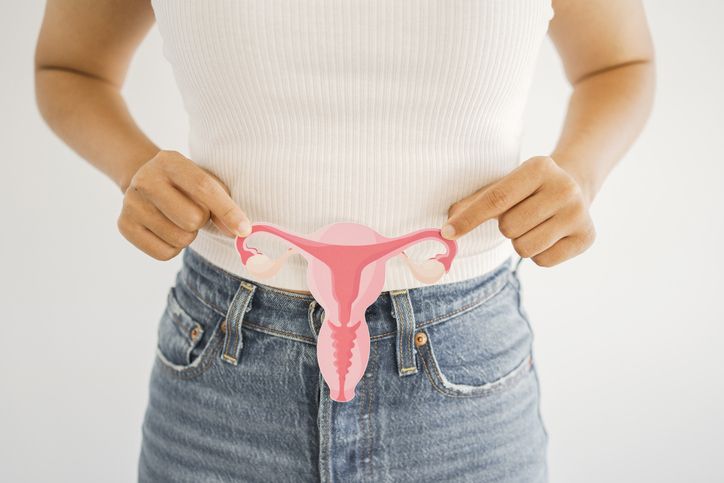


No. Clitoral hood reduction is a surgical trim of excess skin, so it changes contour and can relieve bulk or irritation. It does not treat dryness, thinning tissue or internal laxity, which are different problems with different causes.
If those are your main concerns, a non-surgical option such as diVa laser vaginal therapy targets tissue quality rather than skin shape, and is sometimes recommended alongside or instead of surgery. A consultation can establish which of the two, if either, fits what you are experiencing.
Most surgeons advise waiting four to six weeks before penetrative sex, and confirming at your follow-up that the incisions have healed. The area is well supplied with blood and heals reasonably quickly, but the stitches need time to hold before any stretching or friction.
Returning too early risks wound separation, bleeding and discomfort that can take longer to settle than the original healing would have. Ask your surgeon for a specific date rather than working from a general figure, because it depends on how much tissue was removed and whether the procedure was combined with anything else.
A minor genital plastic surgery that reduces excess hood skin to improve comfort or balance appearance—often paired with labiaplasty for symmetry.
People bothered by bulk, irritation, hygiene difficulties, or a top-heavy look when the labia minora are reduced. Your surgeon evaluates anatomy and goals and reviews realistic outcomes and risks.
This procedure is not designed to expose the clitoral glans. Over-exposing the glans can cause unpredictable pain/sensitivity; surgeons aim to reshape hood skin only to protect function. Discuss expectations openly during consults.
Typical surgical risks (bleeding, hematoma, infection) plus nerve injury and over/under-resection (too much or not enough tissue). Choosing an experienced, board-certified surgeon helps minimize risks.
Public plans cover medically necessary physician/hospital services; elective cosmetic procedures (like aesthetic hood reduction) are not covered. Coverage exceptions are rare—confirm with your provincial plan.
Pricing varies by city, surgeon, anesthesia, and whether it’s bundled with labiaplasty. Public listings place stand-alone hood reduction roughly ~C$3,000–$6,000; many clinics bundle or add a fee when performed with labiaplasty.
Yes—Beautifi offers flexible monthly payments. Use the Loan Calculator to estimate payments or Apply Now to check options with no obligation.
For the right candidate, a conservative, anatomy-respecting reduction can relieve irritation and balance results when paired with labiaplasty. Outcomes are best with clear goals and an experienced surgeon.